Kala Ki Udaan
Tribal women's handloom meets technical innovation and new markets, including aviation textiles.
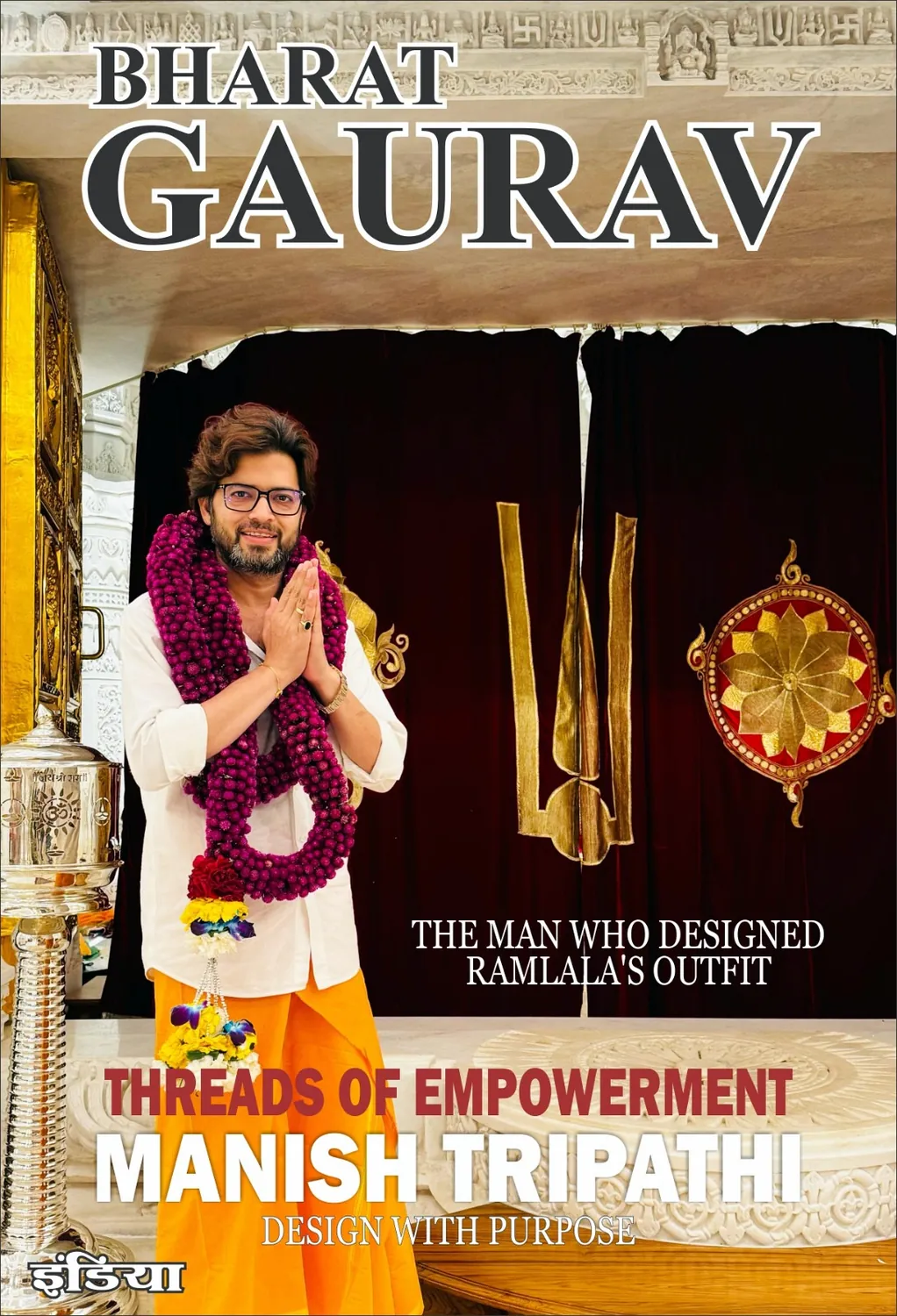
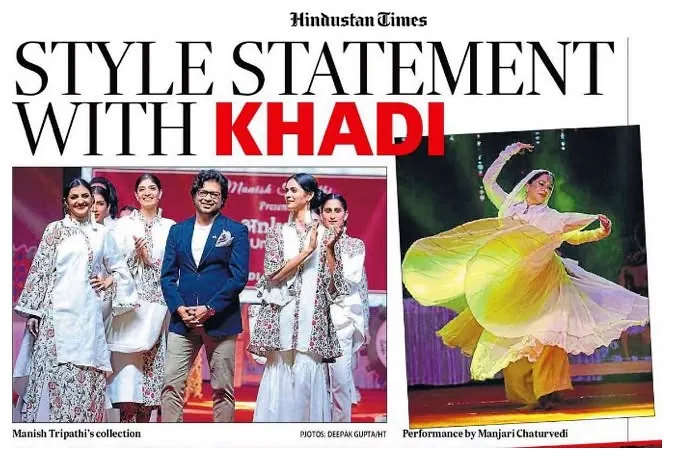
Designer of the divine attire of Prabhu Shri Ramlalla Ji, Ayodhya. Founder of aantarDESI.
“If the world is my canvas, India is my paintbrush.”
If the world is my canvas, |India |is |my |paintbrush.
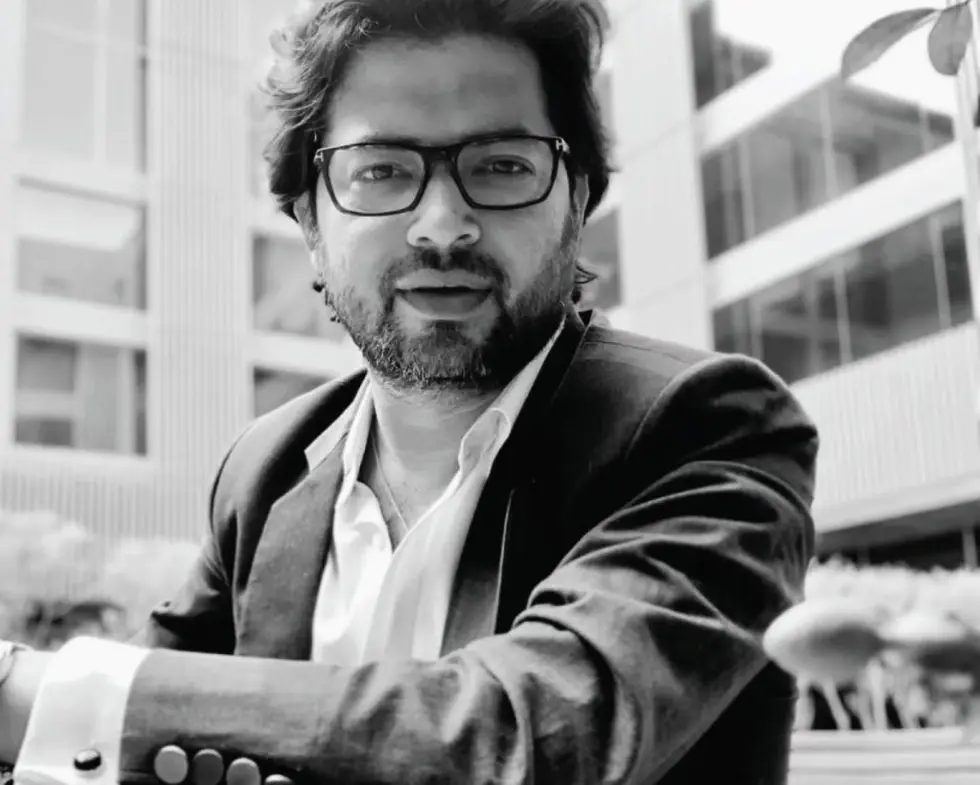
Manish Tripathi
“I do not believe heritage belongs only to the past. I believe it deserves a future.”
I · The CanvasI am Manish Tripathi, a fashion designer and social entrepreneur whose work lies at the intersection of culture, contemporary design, innovation and social impact.
For me, design has never been merely about creating garments. It is about discovering the stories woven into our textiles, understanding the wisdom preserved by our communities, and finding new ways to carry our cultural legacy into the future.
My design philosophy is rooted in Bharat: its diverse textiles, indigenous crafts, traditions, communities and living heritage. Yet my approach is firmly contemporary. I reinterpret our cultural vocabulary through modern design, material innovation and new applications, so that traditional knowledge finds relevance in an evolving world.
Textiles, indigenous crafts, traditions and communities are where every design begins.
Not recreating the past or romanticising tradition, but giving its essence a new expression.
Impact is not an addition to design. It is an essential part of its purpose.
Bhagavad Gita · 2.50
योगः कर्मसु कौशलम्
yogaḥ karmasu kauśalam
Excellence in action is yoga.
“This is where I believe design must take responsibility.”What began as a passion for fashion became a larger purpose: to stand with the artisans, weavers and craftspeople who are the true custodians of India's textile heritage, and to give their knowledge the recognition and economic dignity it deserves.
देववस्त्र
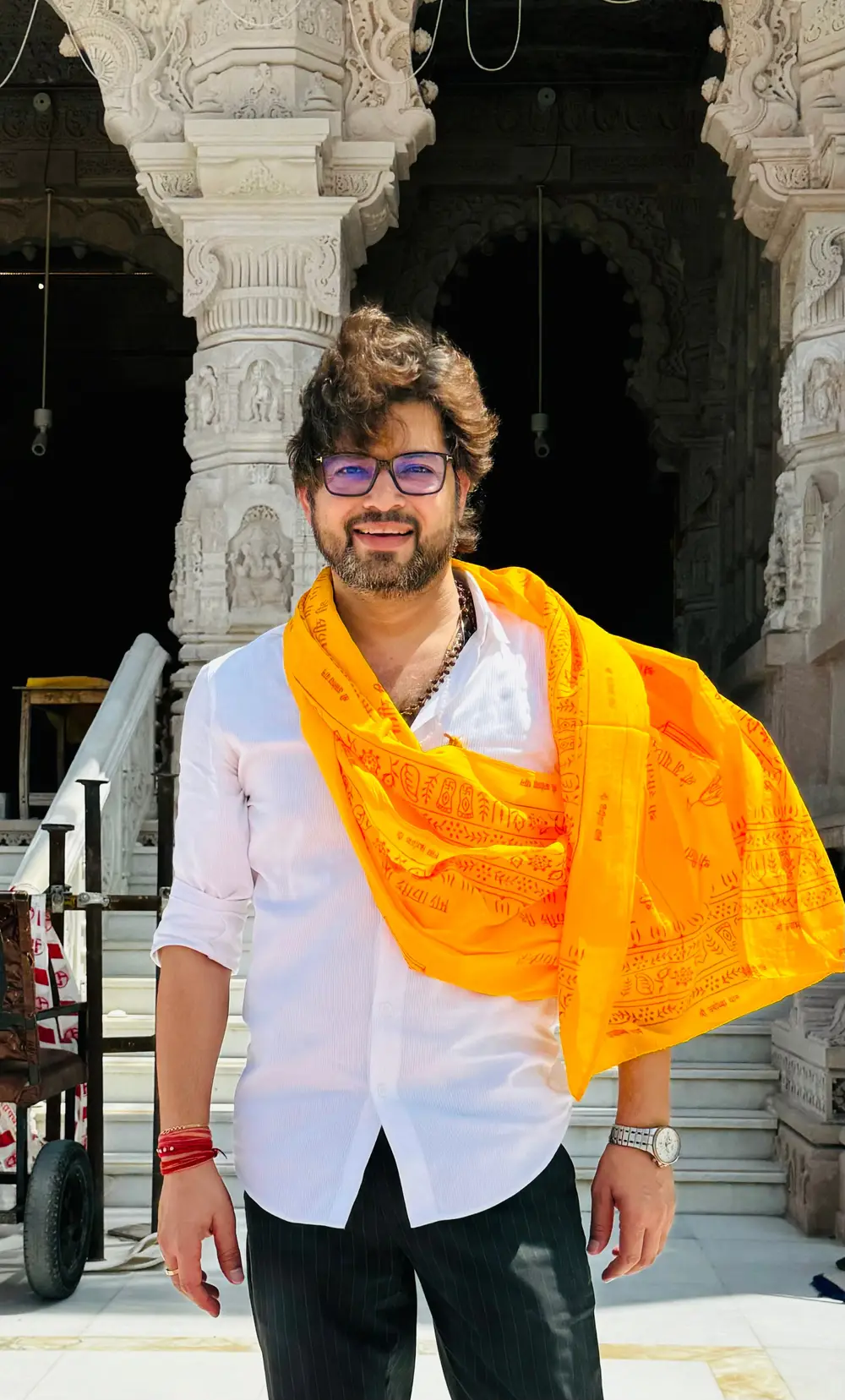
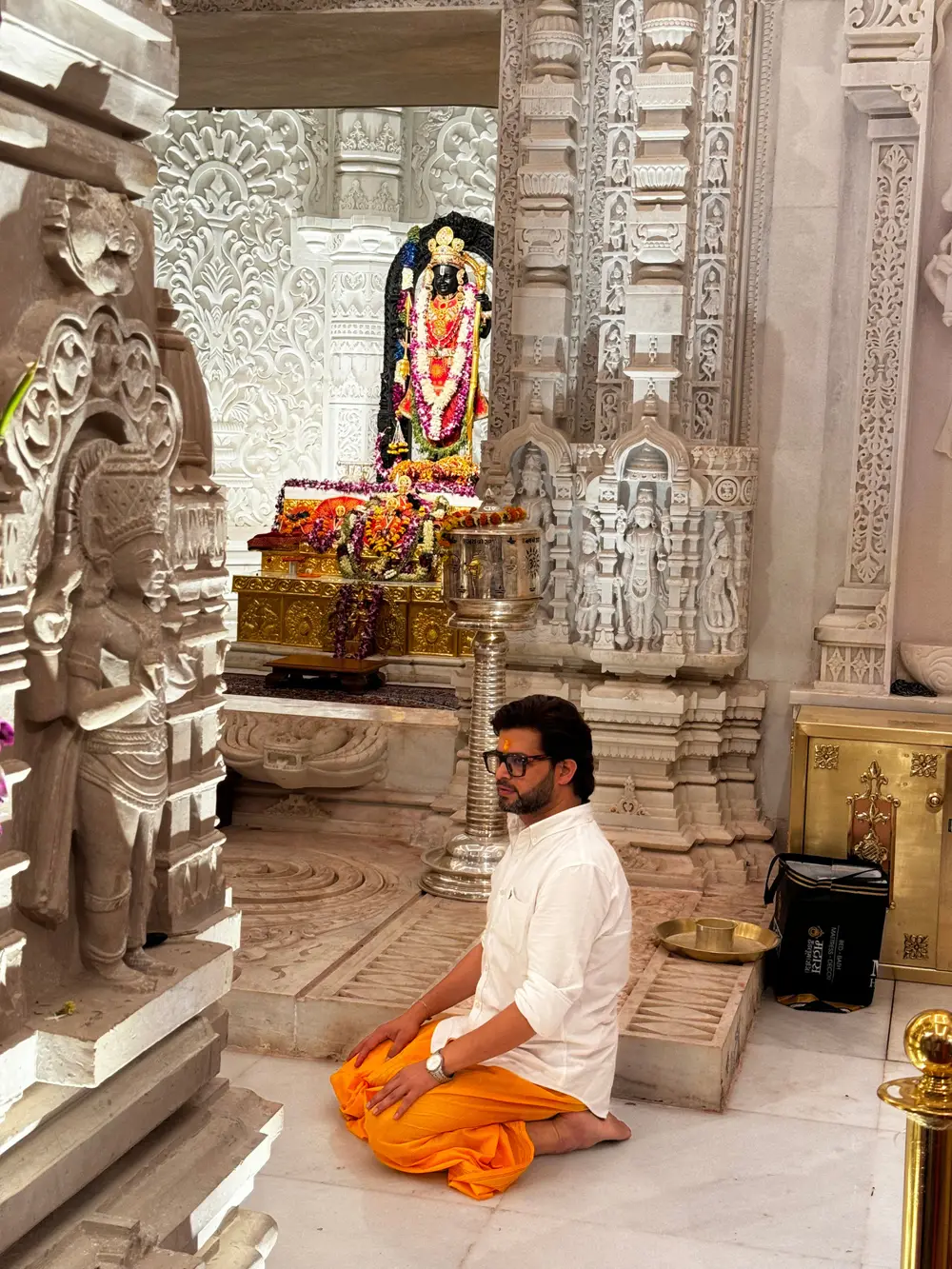
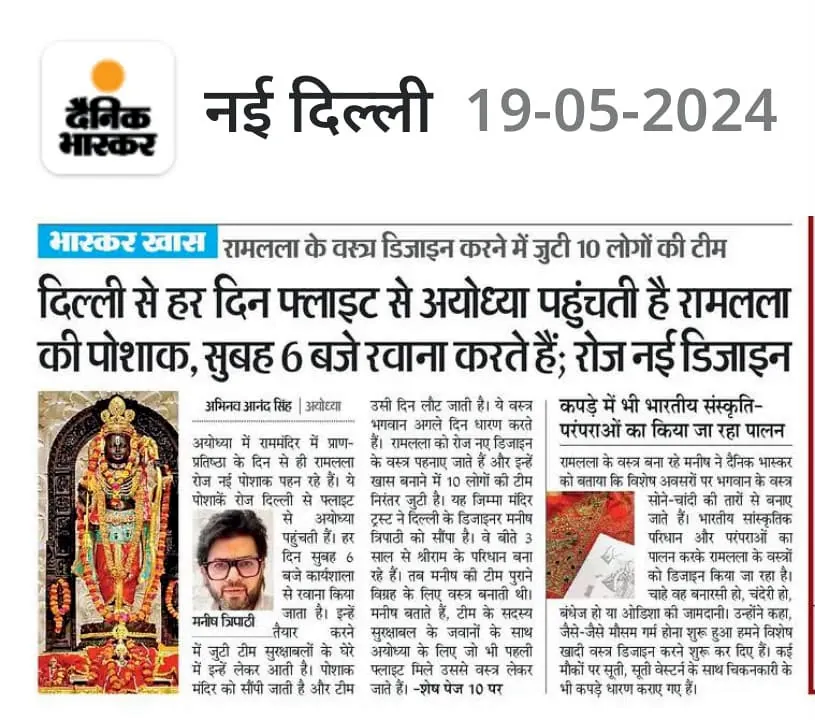
Through Shubhvastram and the divine attire of Prabhu Shri Ramlalla Ji in Ayodhya, he has seen how deeply textiles connect craftsmanship, devotion, regional identity and cultural memory. The first khadi-silk set was offered in 2021; since the Pran Pratishtha of January 2024, he has designed the poshak every day.
His vision is Devvastra: historic textiles, indigenous weaving traditions, regional embroideries and traditional material knowledge, researched, revived and thoughtfully reinterpreted for temple traditions and sacred spaces.
“Imagine a devotee visiting a temple and discovering not only the beauty of a deity's attire, but also the story of the weave, the region it comes from, the craft tradition behind it, and the hands that brought it to life.”
Enter DevvastraFrom the weaves of Kanchipuram to the threads of Assam, Shubhvastram unites India one vastra at a time, and every garment brings work to a cluster of artisans.
Heavy mulberry silk with contrast zari borders, woven in the temple town of Kanchi.
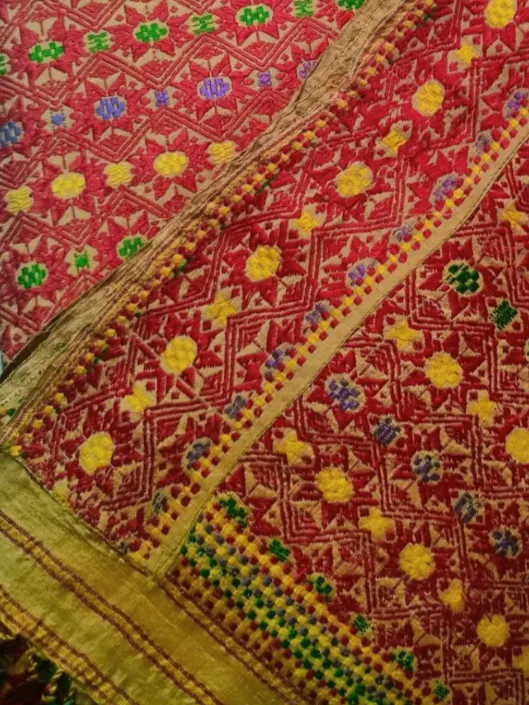
The golden silk of Assam, found nowhere else, said to grow more lustrous with age.
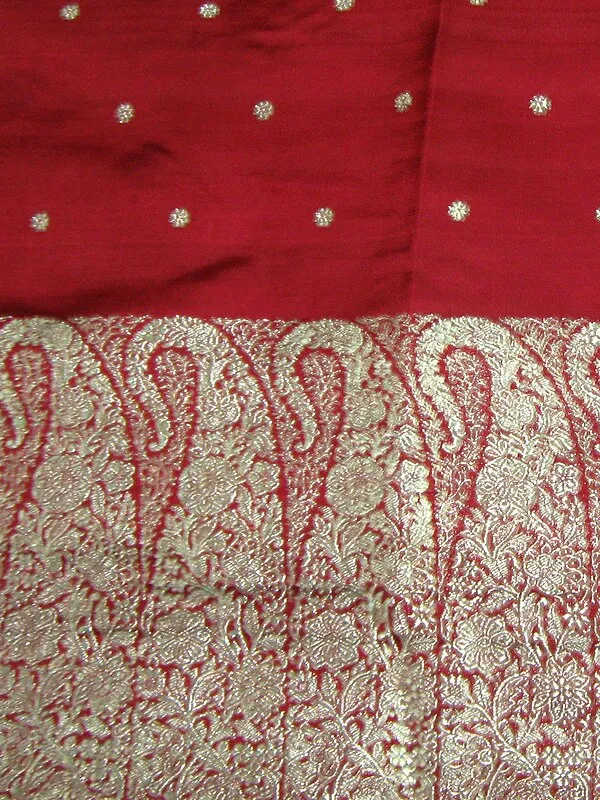
Gold and silver zari woven into silk in Varanasi, India's oldest living city.
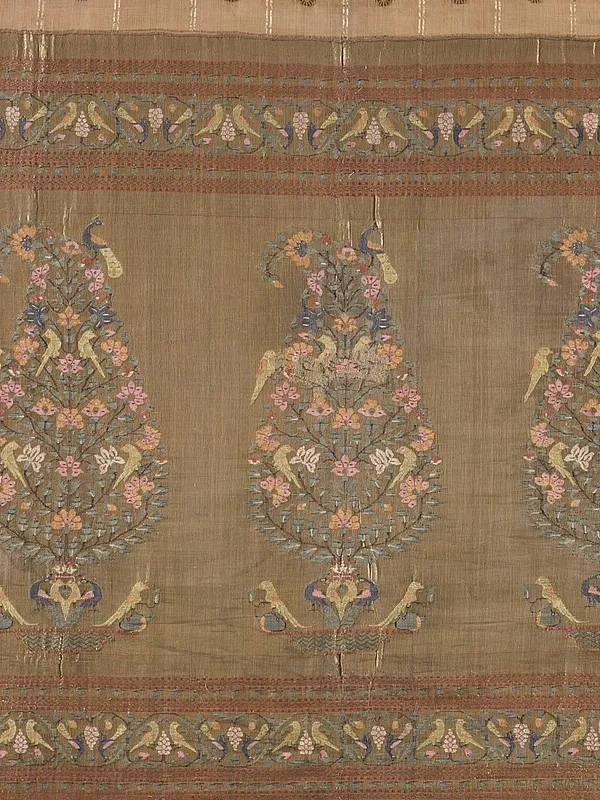
Silk with tapestry-woven peacock and lotus pallus, from the ancient town of Paithan.
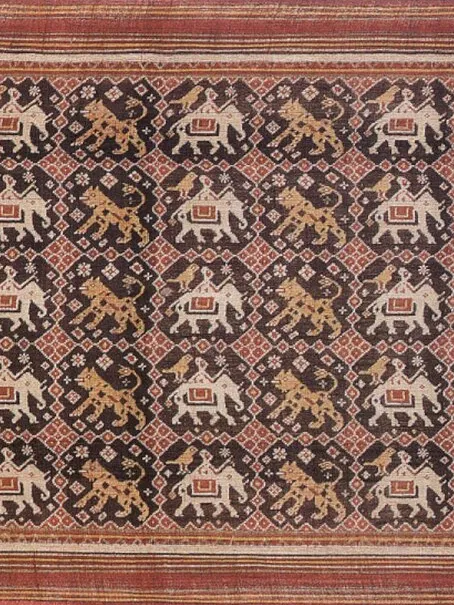
Double ikat: every thread is dyed before weaving. A single sari can take months.
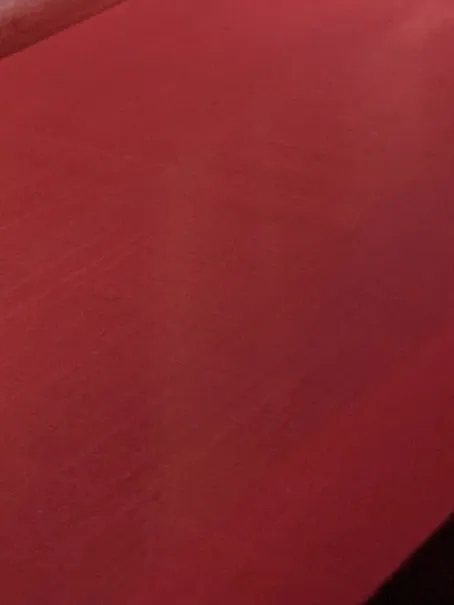
Sheer silk and cotton, light as air, here fresh off the loom.
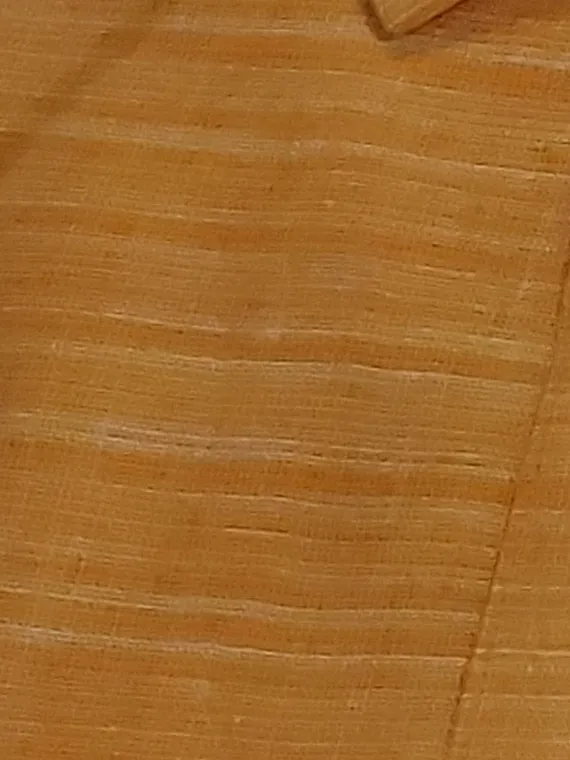
Hand-spun and hand-woven: the cloth of the freedom movement, and of every poshak's beginning.
Textile photographs: Wikimedia Commons, used under their licences; see credits at the foot of the page.
Valmiki Ramayana · Aranya Kanda
रामो विग्रहवान् धर्मः
rāmo vigrahavān dharmaḥ
Rama is dharma, embodied.
“India should not have to confine its cultural treasures to museums and archives.”Temples, communities and living traditions can become the places where people encounter, understand and experience our textile heritage. Cultural preservation, through participation.
Not admired as objects of history, but experienced, worn and valued.
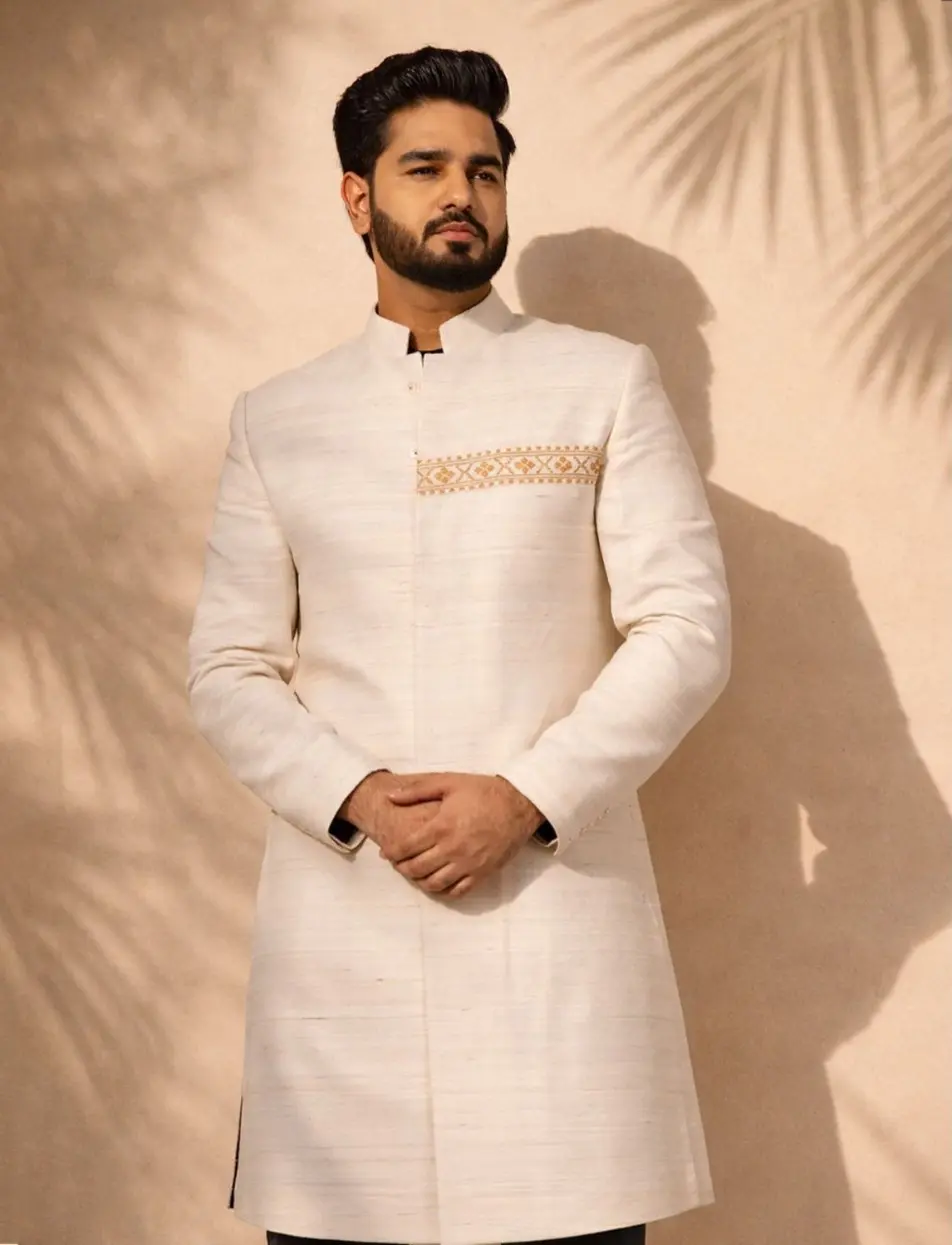
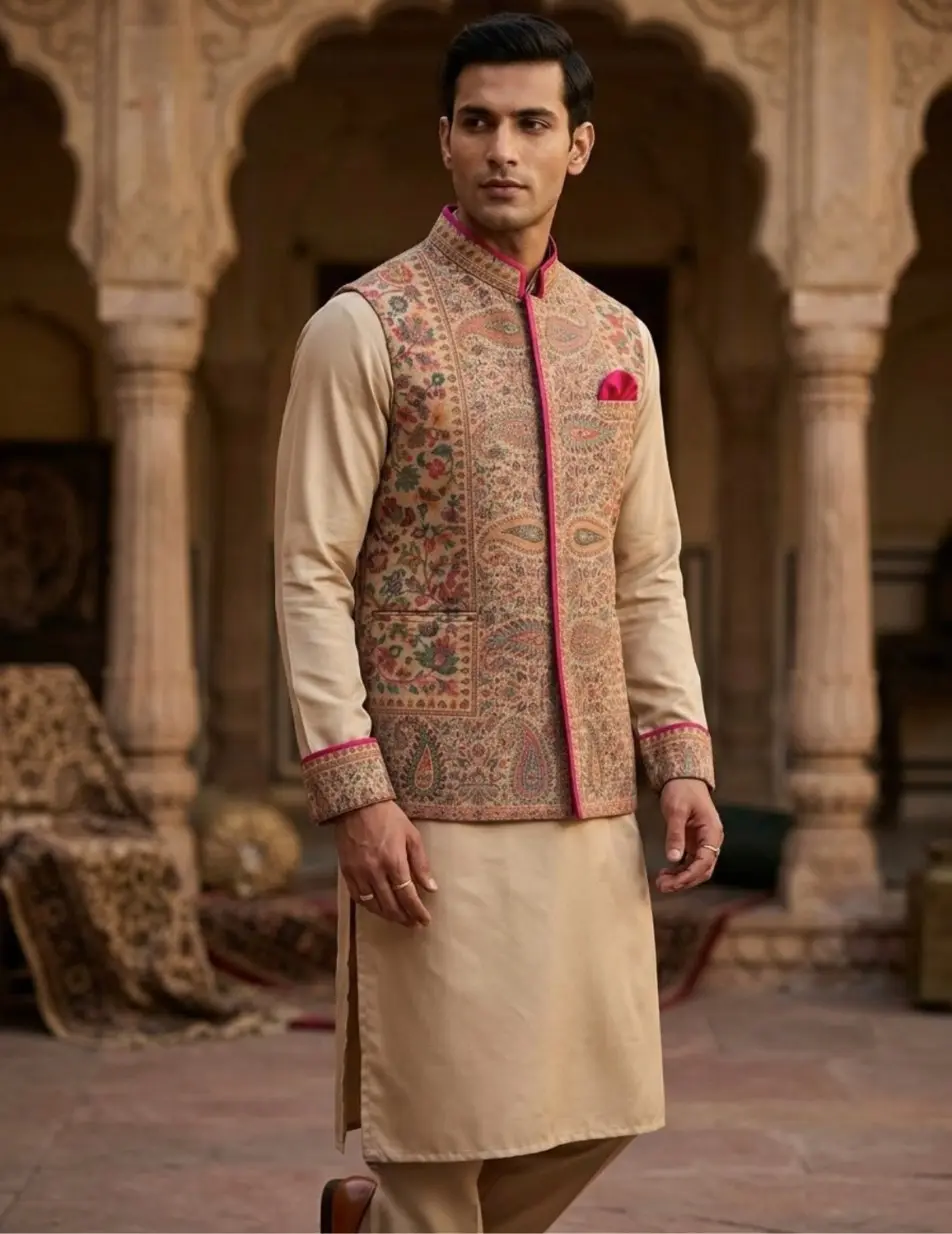
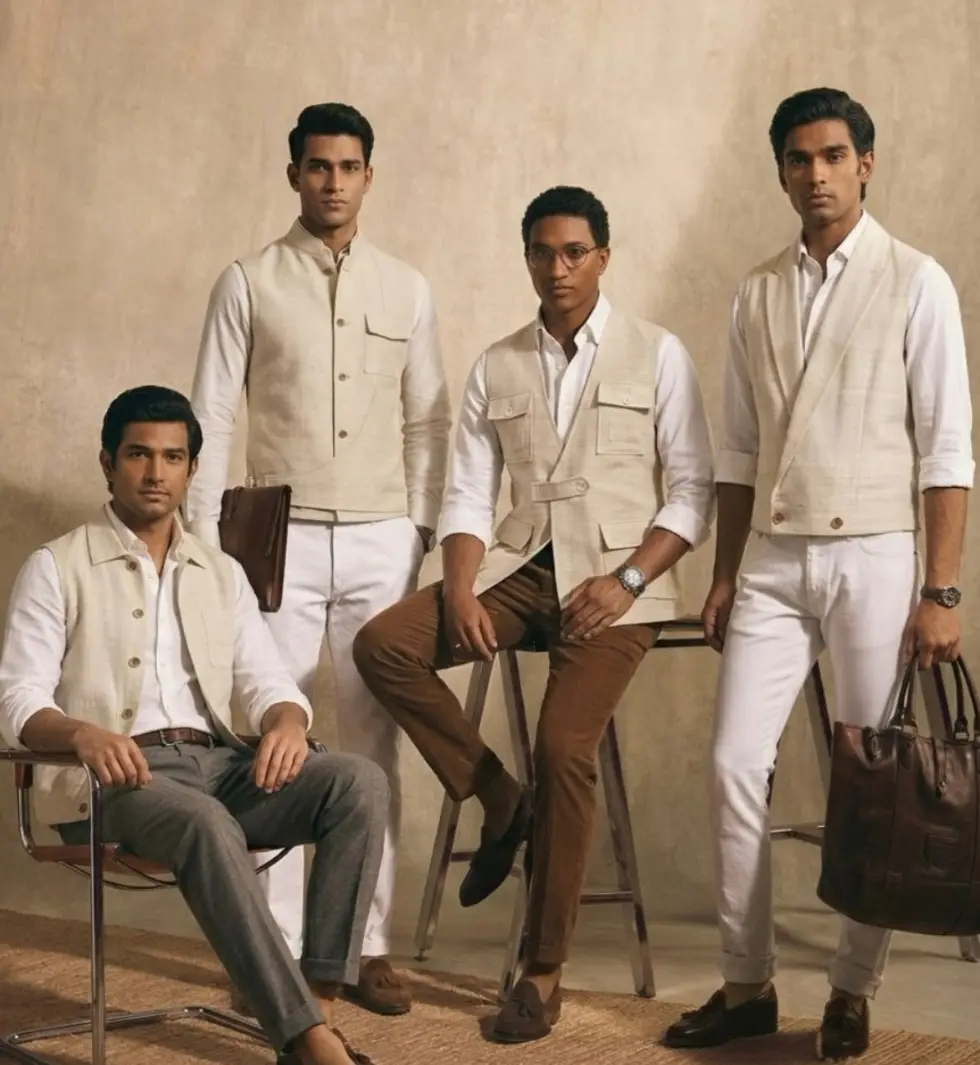
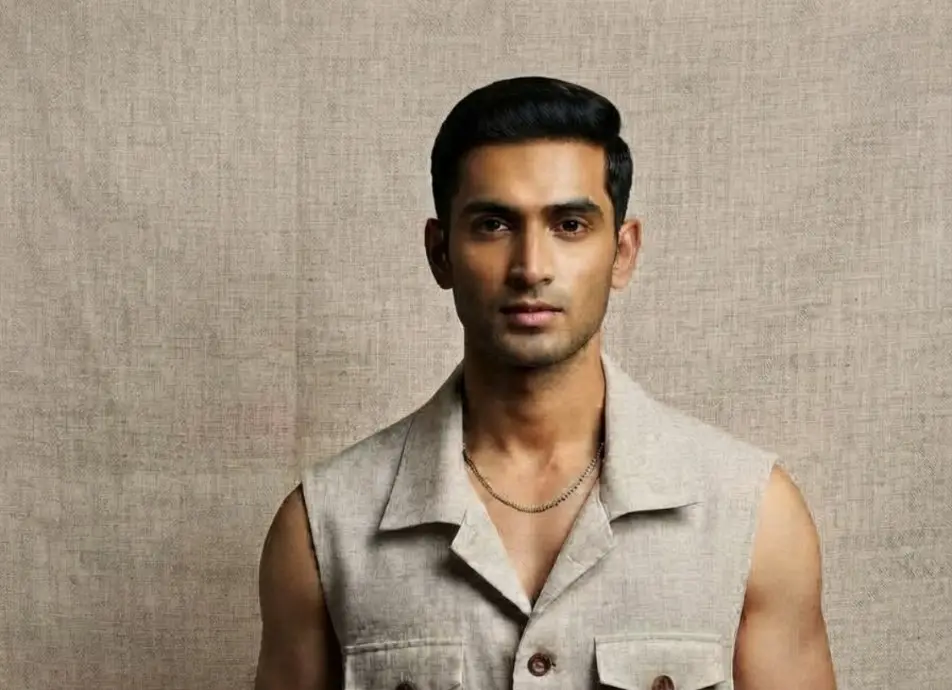
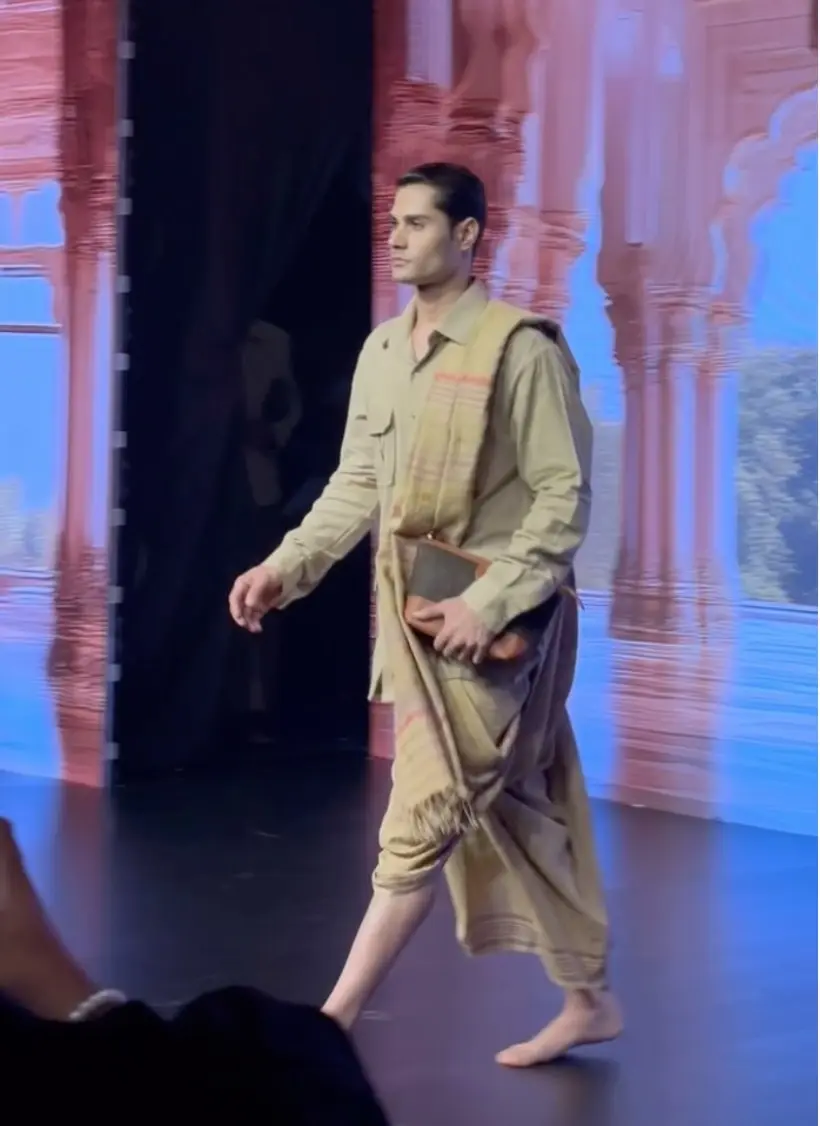

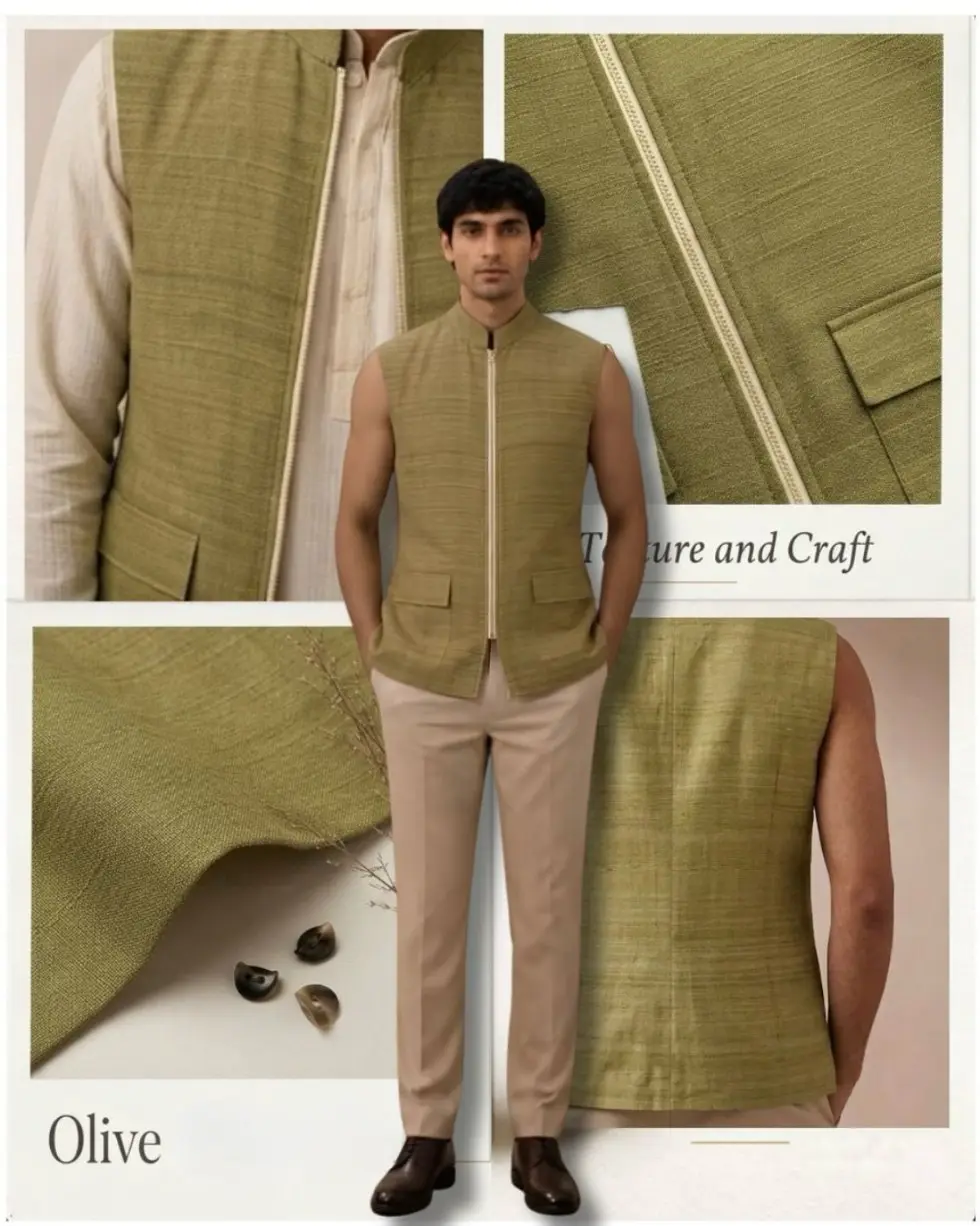
Every aantarDESI begins somewhere deep in India's textile heartlands.
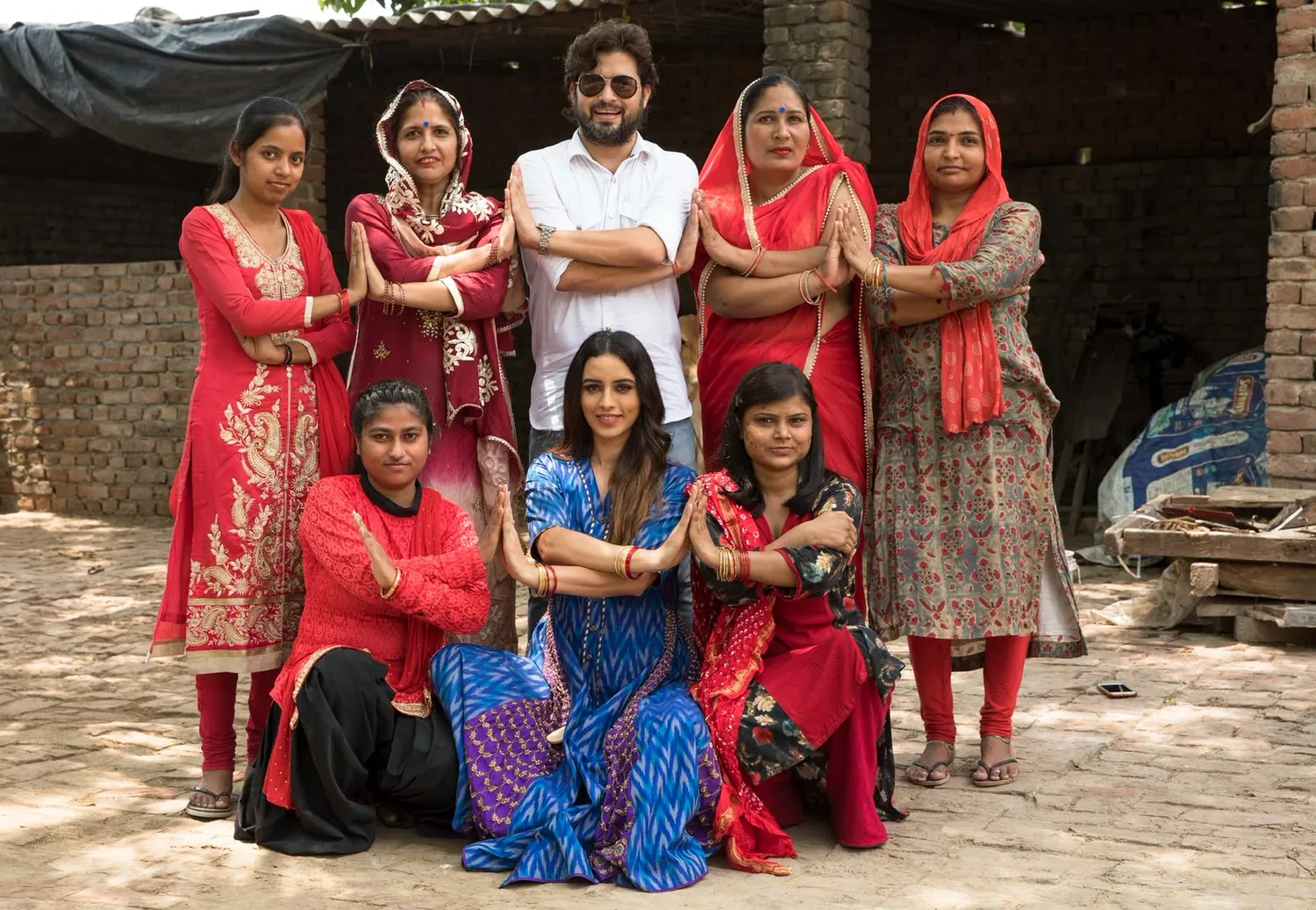
Enter aantarDESIWomen artisans hold a particularly important place in this journey. Their skills, resilience and creativity sustain many of our living traditions. The ambition is an ecosystem in which their knowledge becomes a source of sustainable livelihood, recognition and empowerment.
Tribal women's handloom meets technical innovation and new markets, including aviation textiles.
From tribal hands to temple towers. Every flag carries a prayer; every stitch, a livelihood.
A fashion brand for the tribal clusters of Ladakh and Assam, with the Ministry of Tribal Affairs.
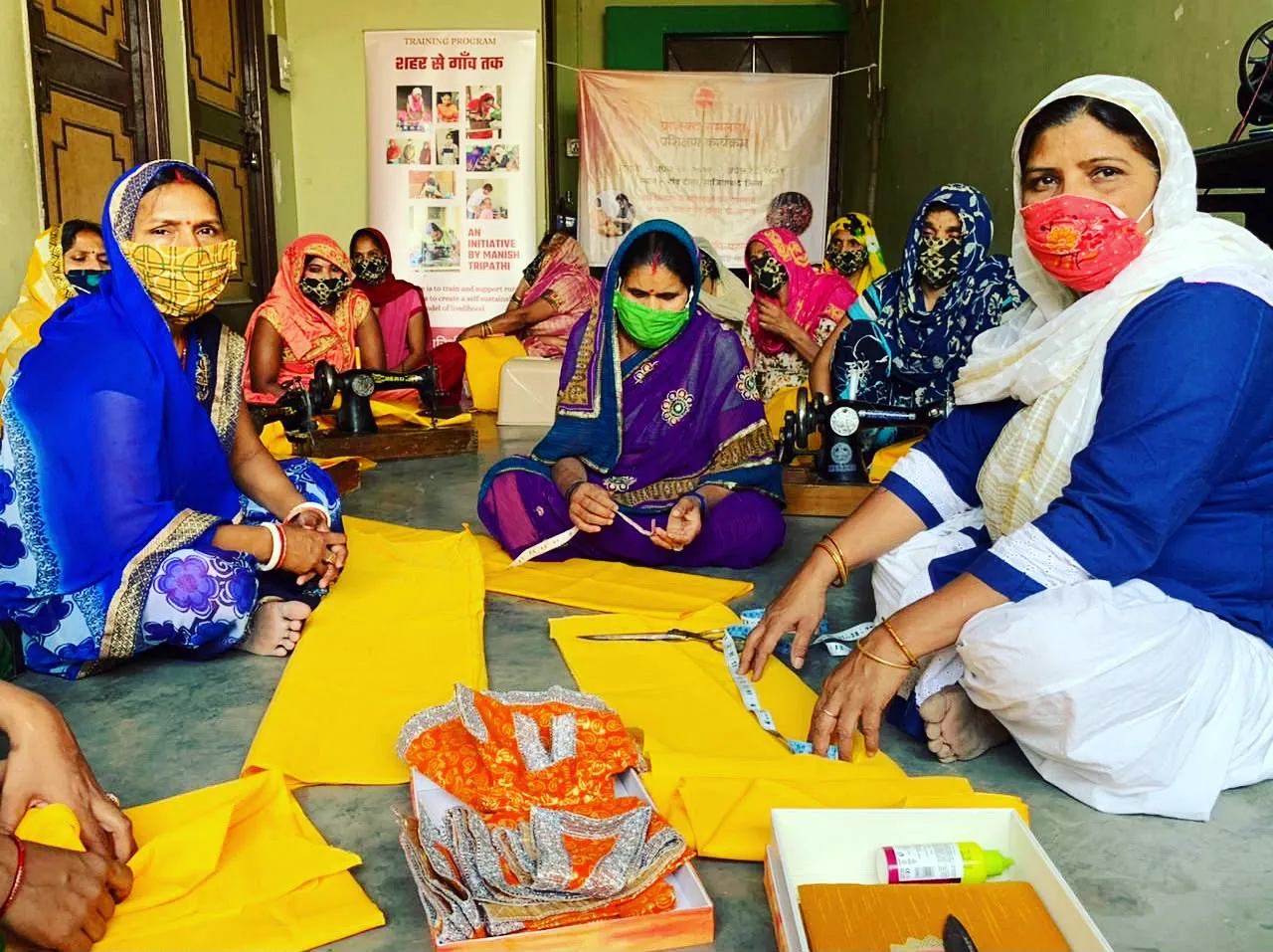
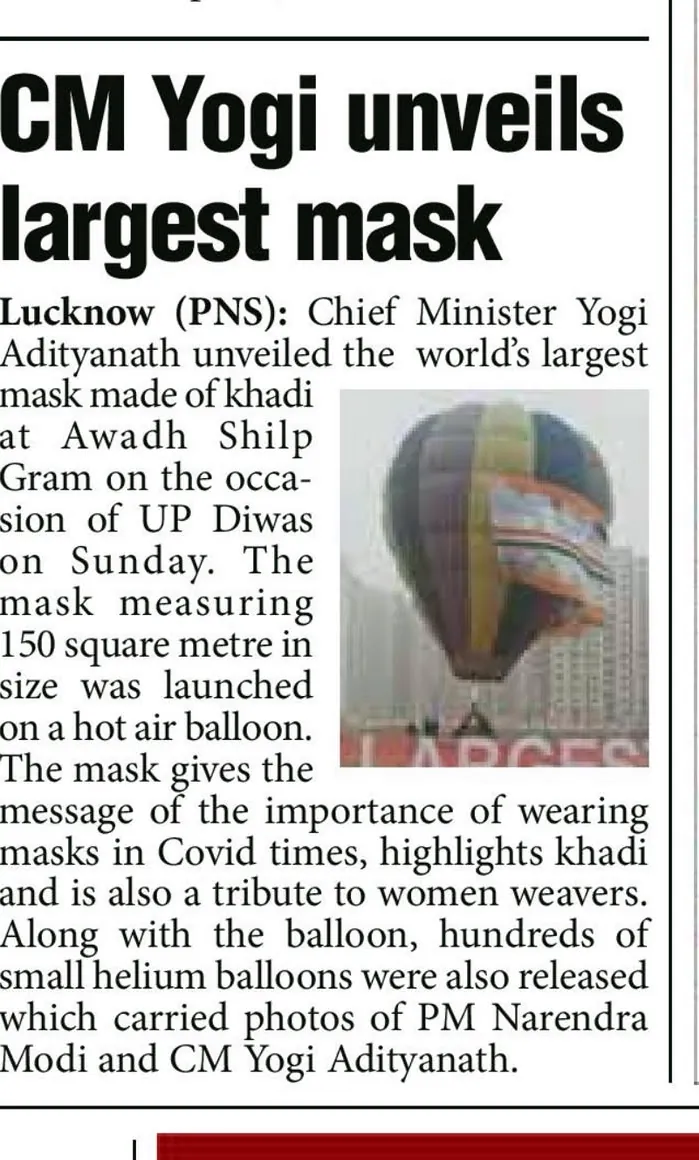
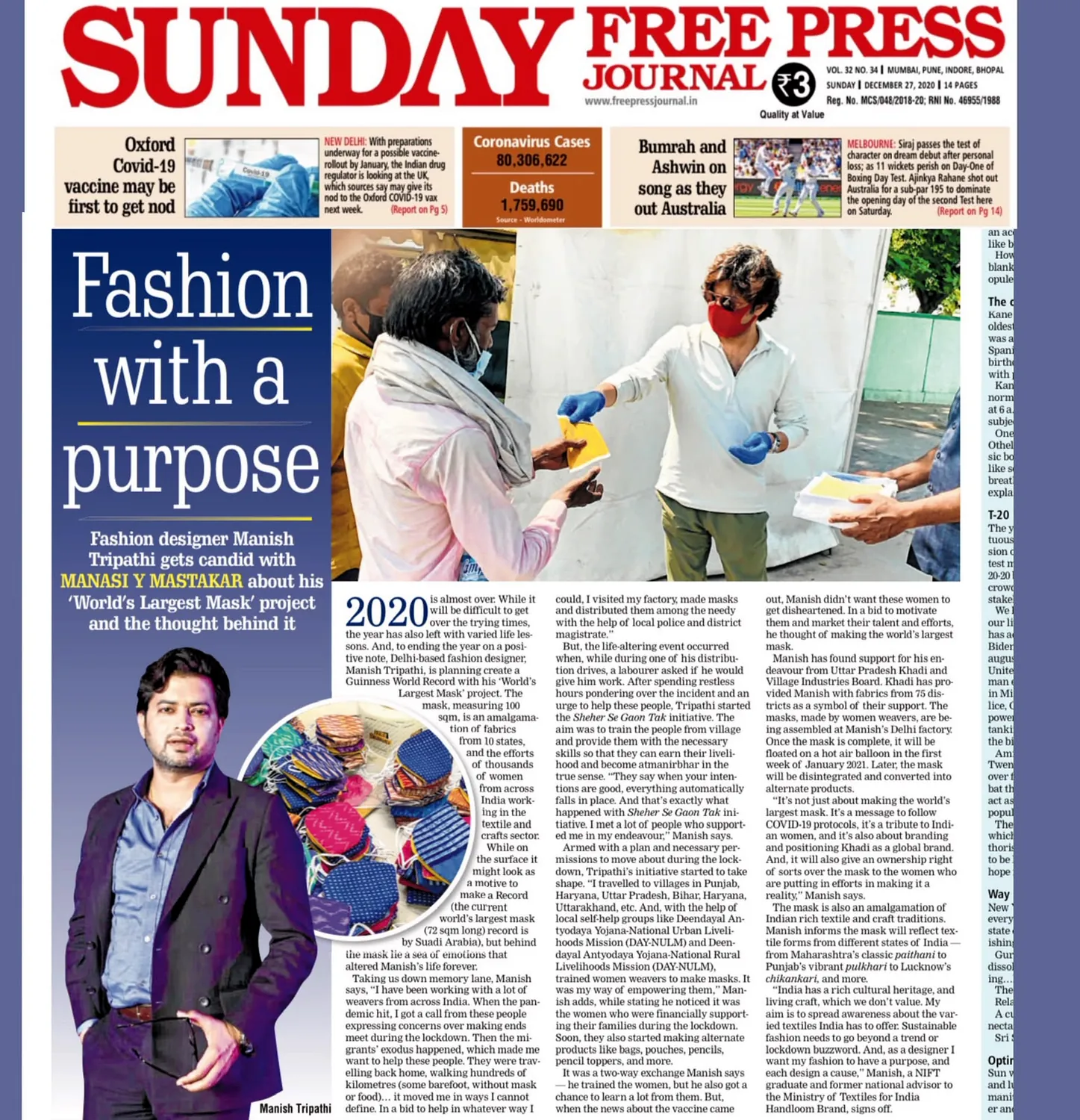
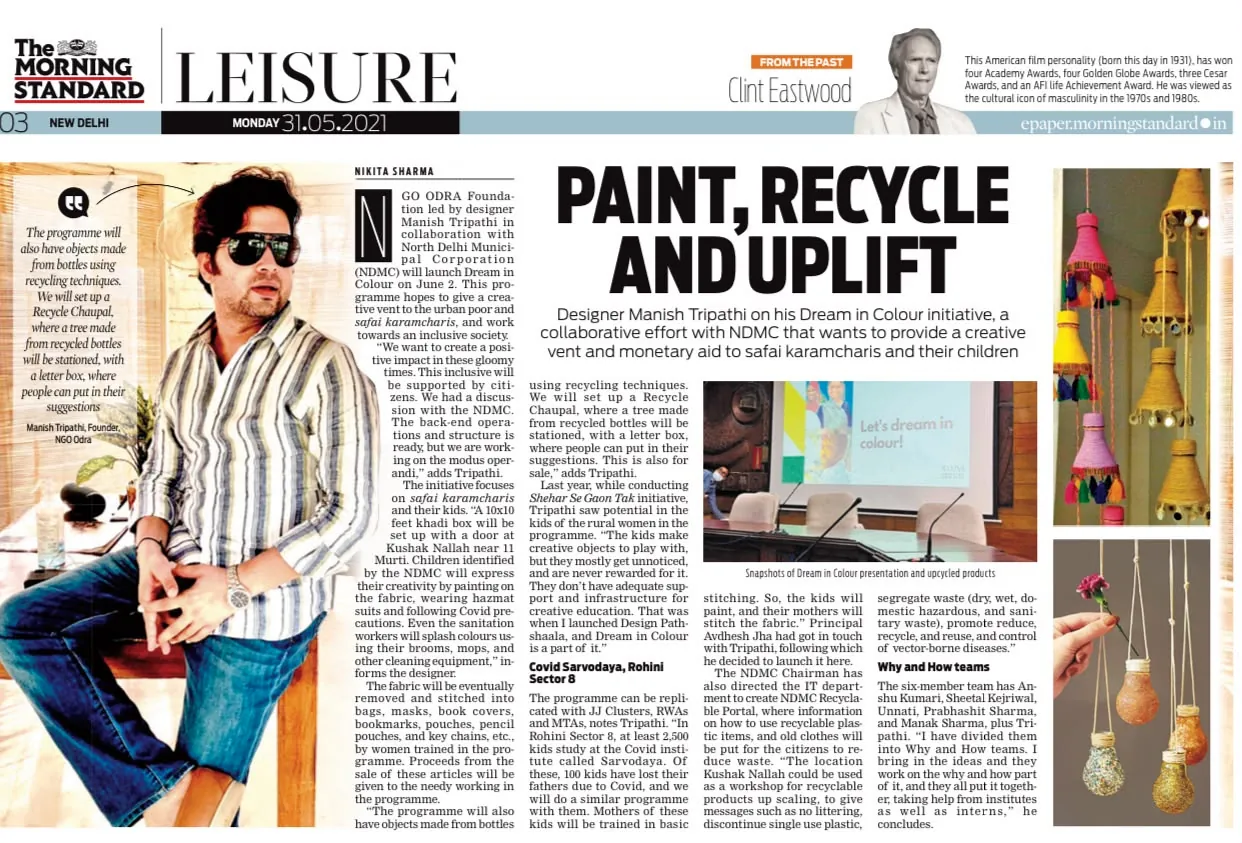
Livelihoods for returning migrant workers and rural women during the pandemic, with upcycled khadi.
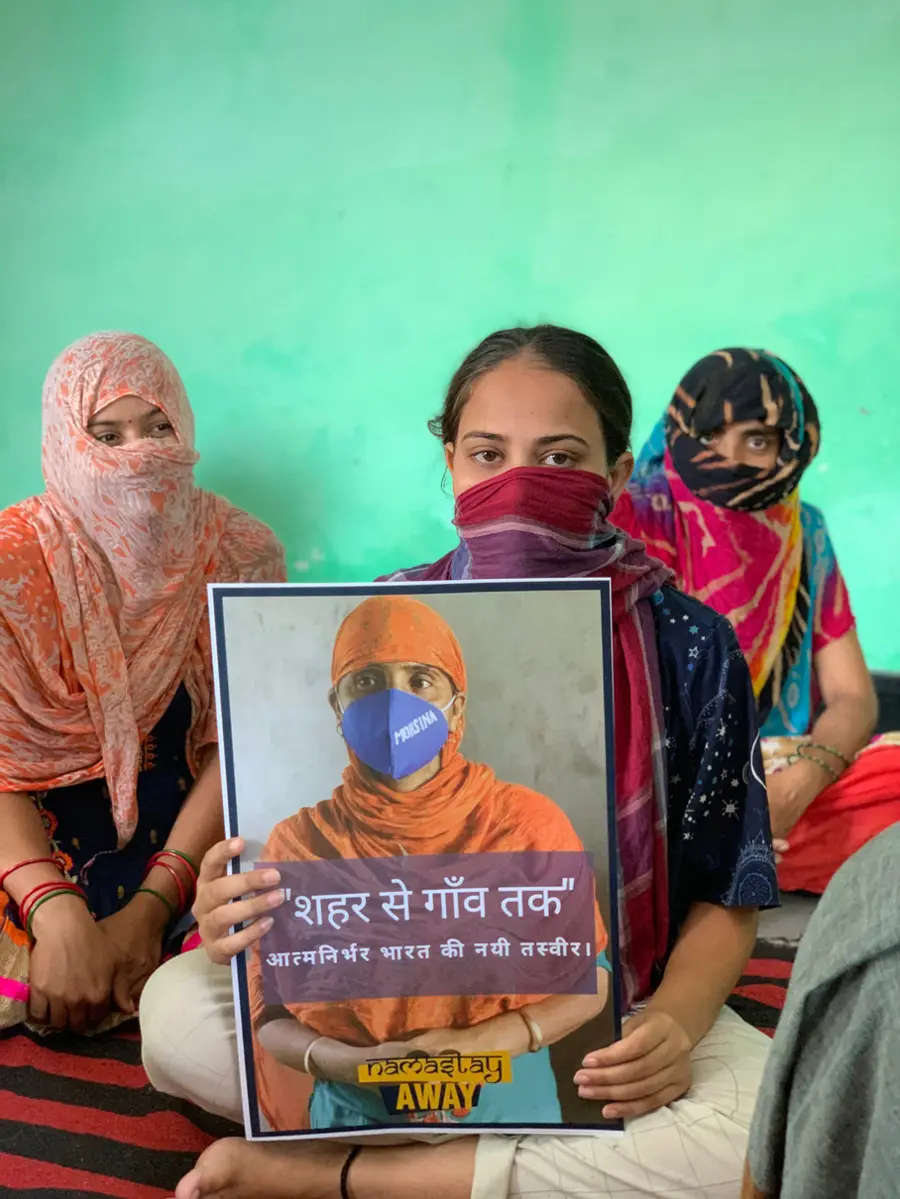
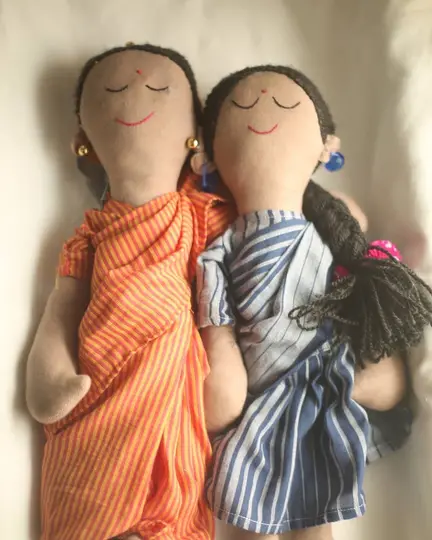
सर्वे भवन्तु सुखिनः
May all be happy. May all find well-being.



Brihadaranyaka Upanishad · 1.3.28
तमसो मा ज्योतिर्गमय
tamaso mā jyotirgamaya
From darkness, lead me to light.
“My journey is still unfolding. But its direction has become increasingly clear.”To dedicate the years ahead to preserving, regenerating and reimagining India's cultural heritage, and to ensure that the people who carry it forward share in the opportunities it creates.
Traditional textiles finding new applications in products, industries and experiences.
Women artisans with greater access to markets, recognition and dignity.
Young designers engaging meaningfully with their heritage.
Research and new materials that build on indigenous knowledge, never displace it.
“Design can do more than change the way we dress. It can change the way we see our culture, value our communities, and imagine our future.”
Manish Tripathi
The Atelier · New Delhi
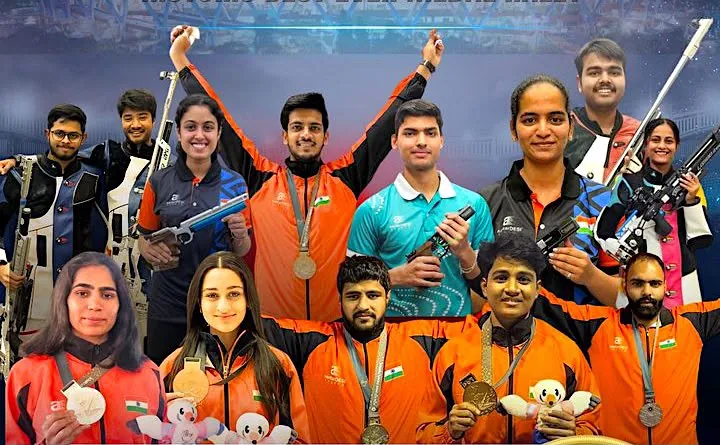
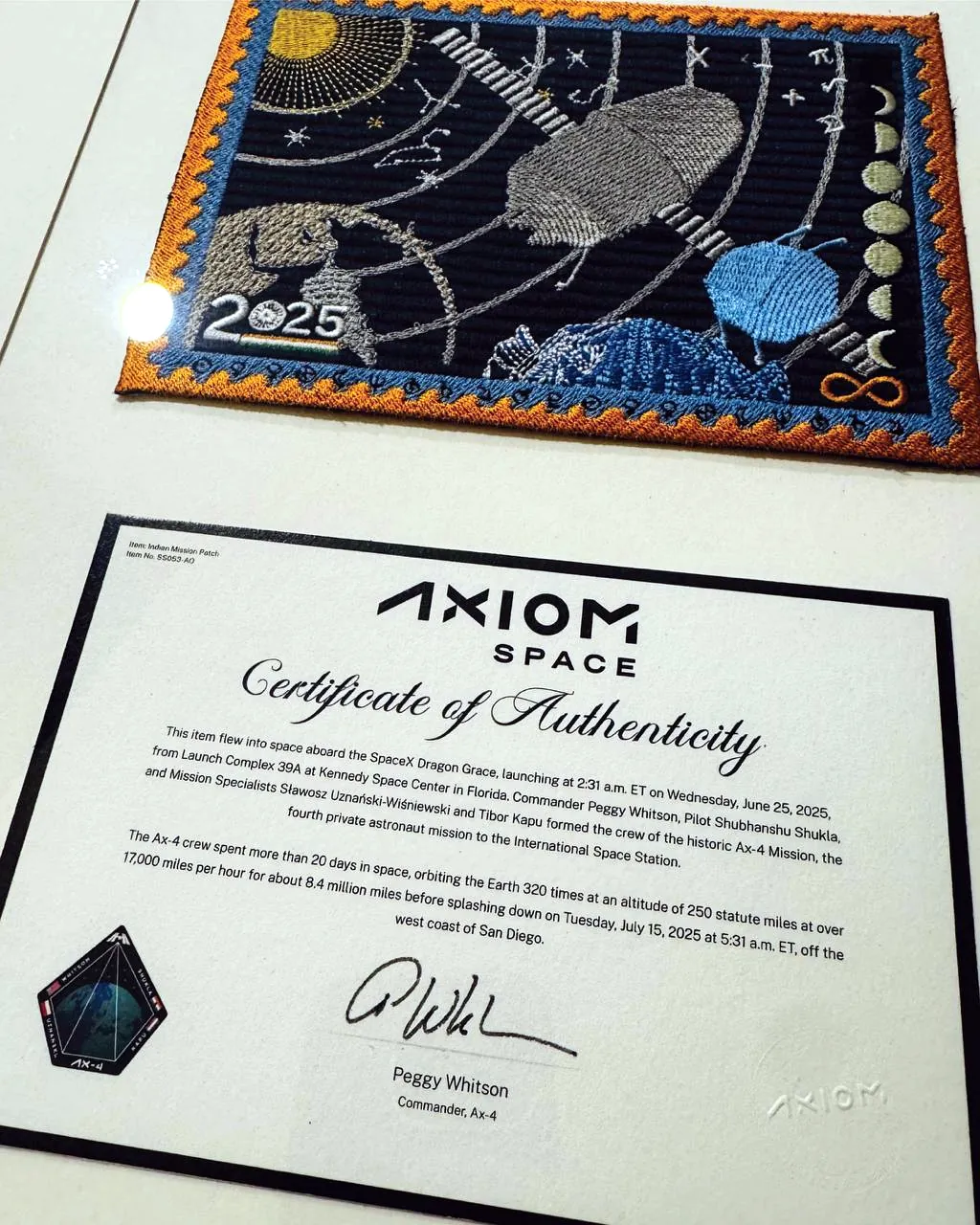
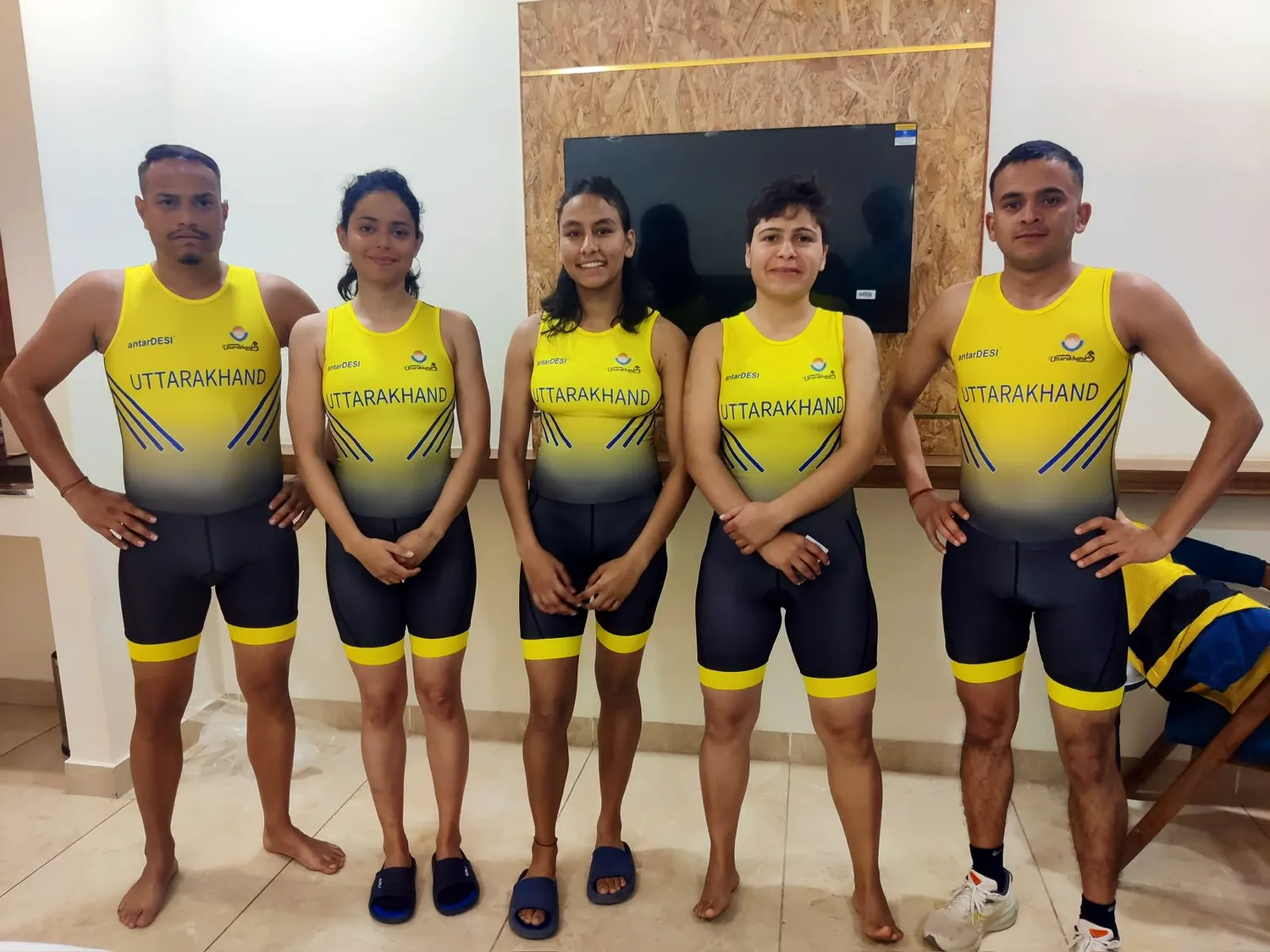
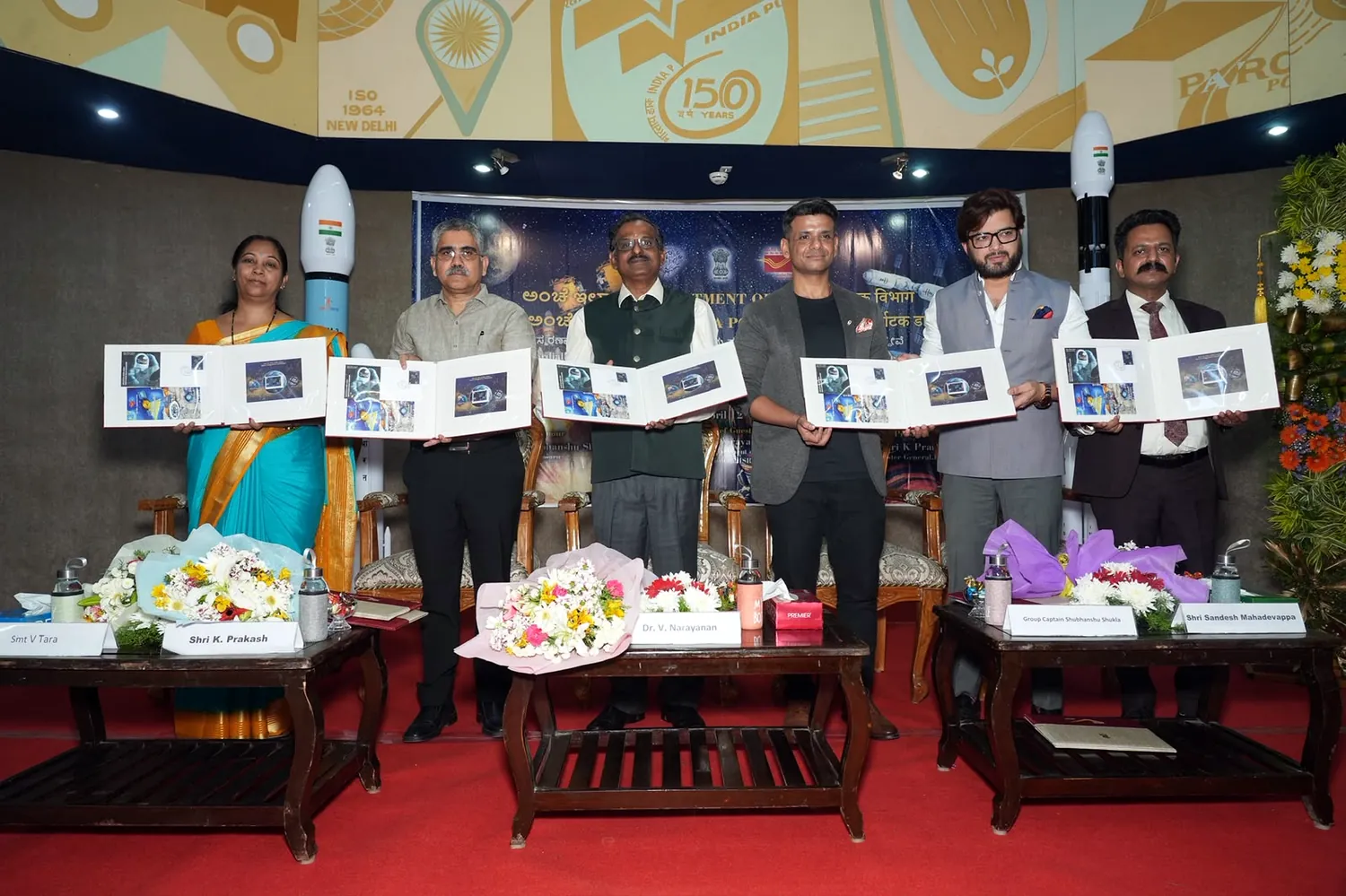
Fifteen years of design for faith, for the nation, for sport and for the artisan.

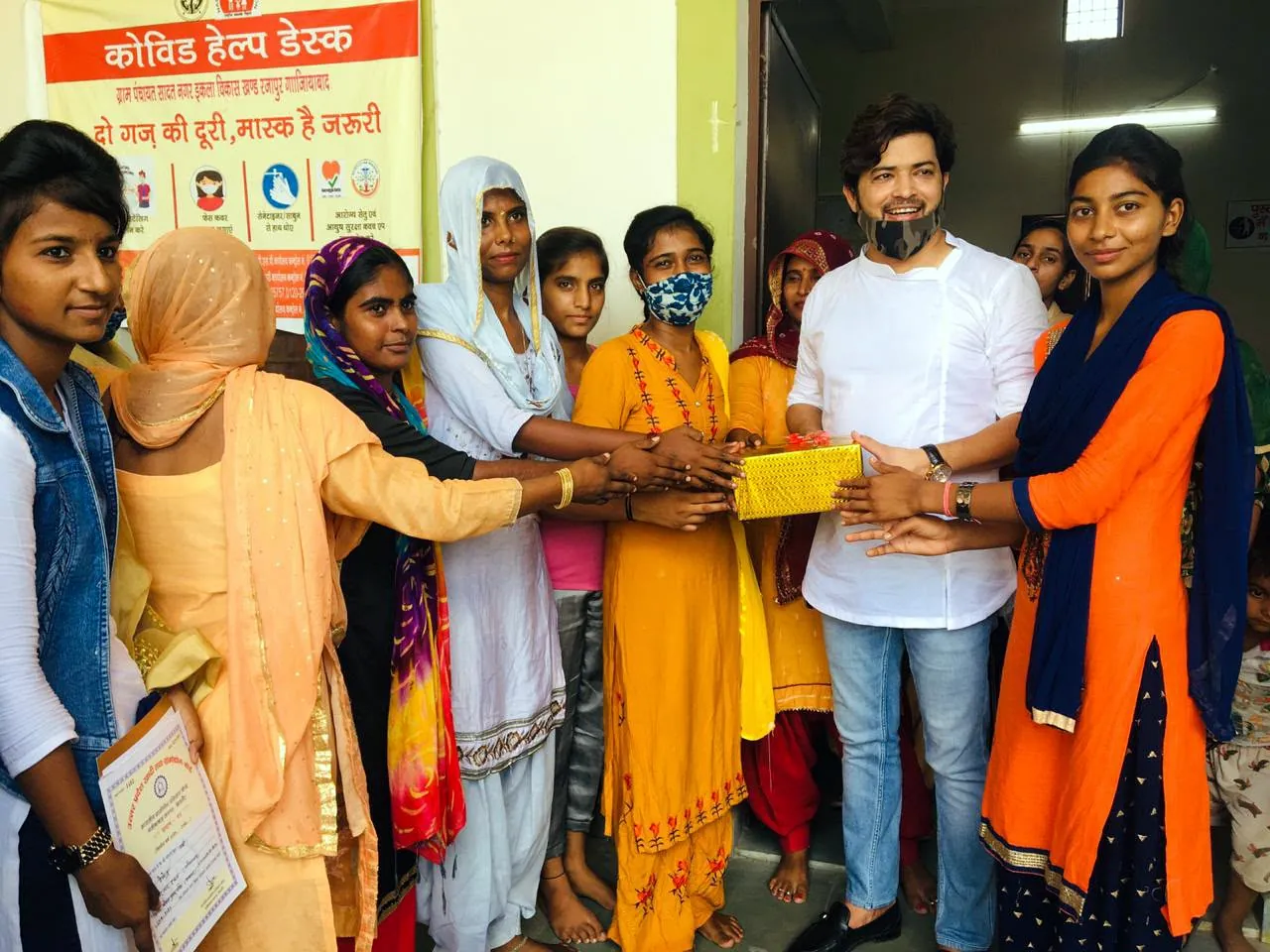
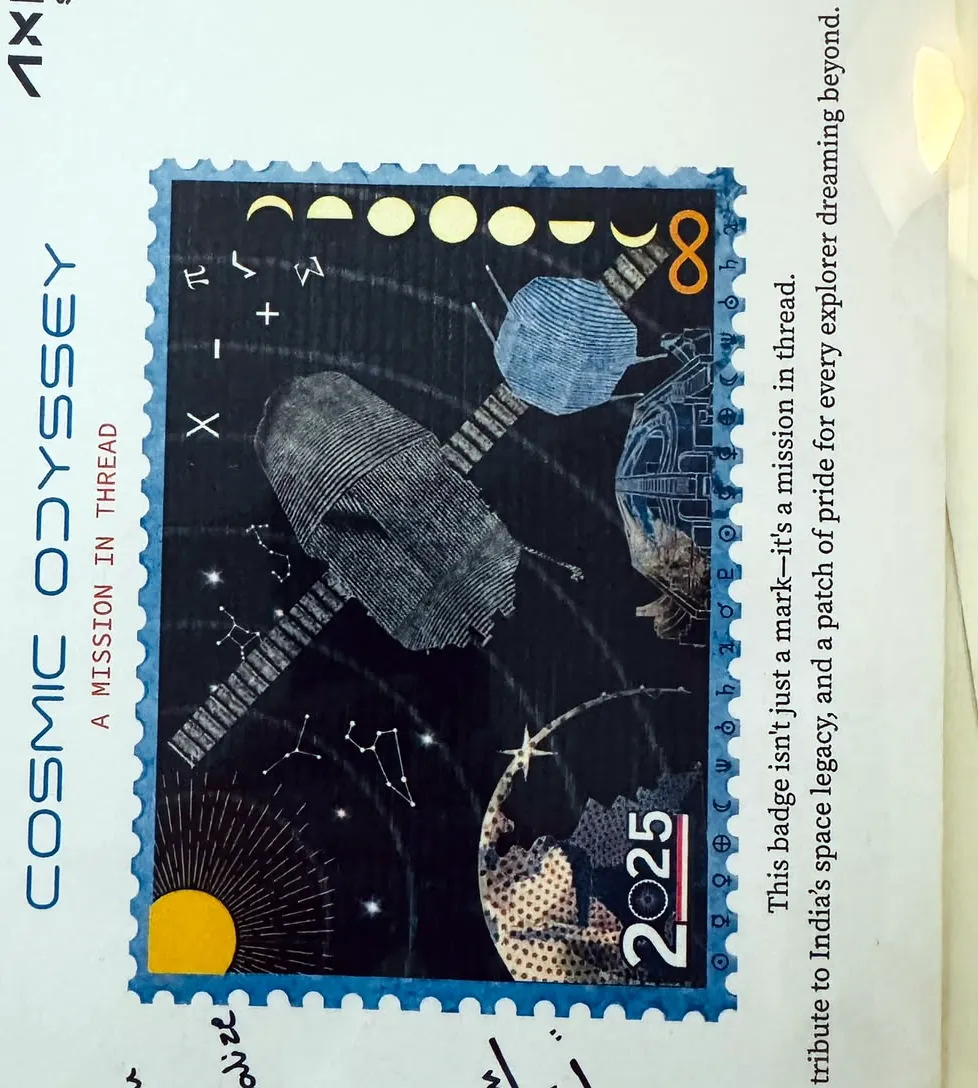
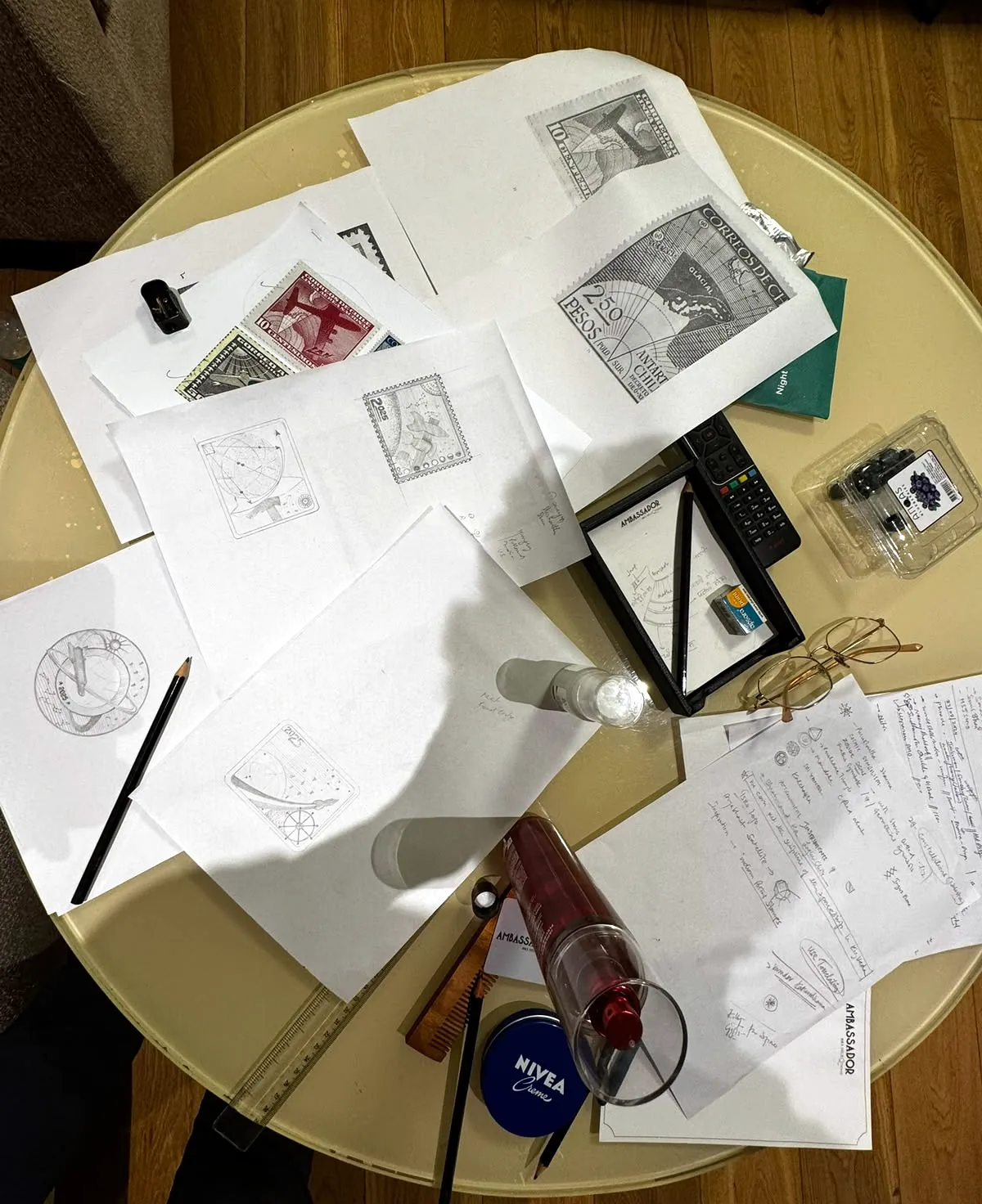
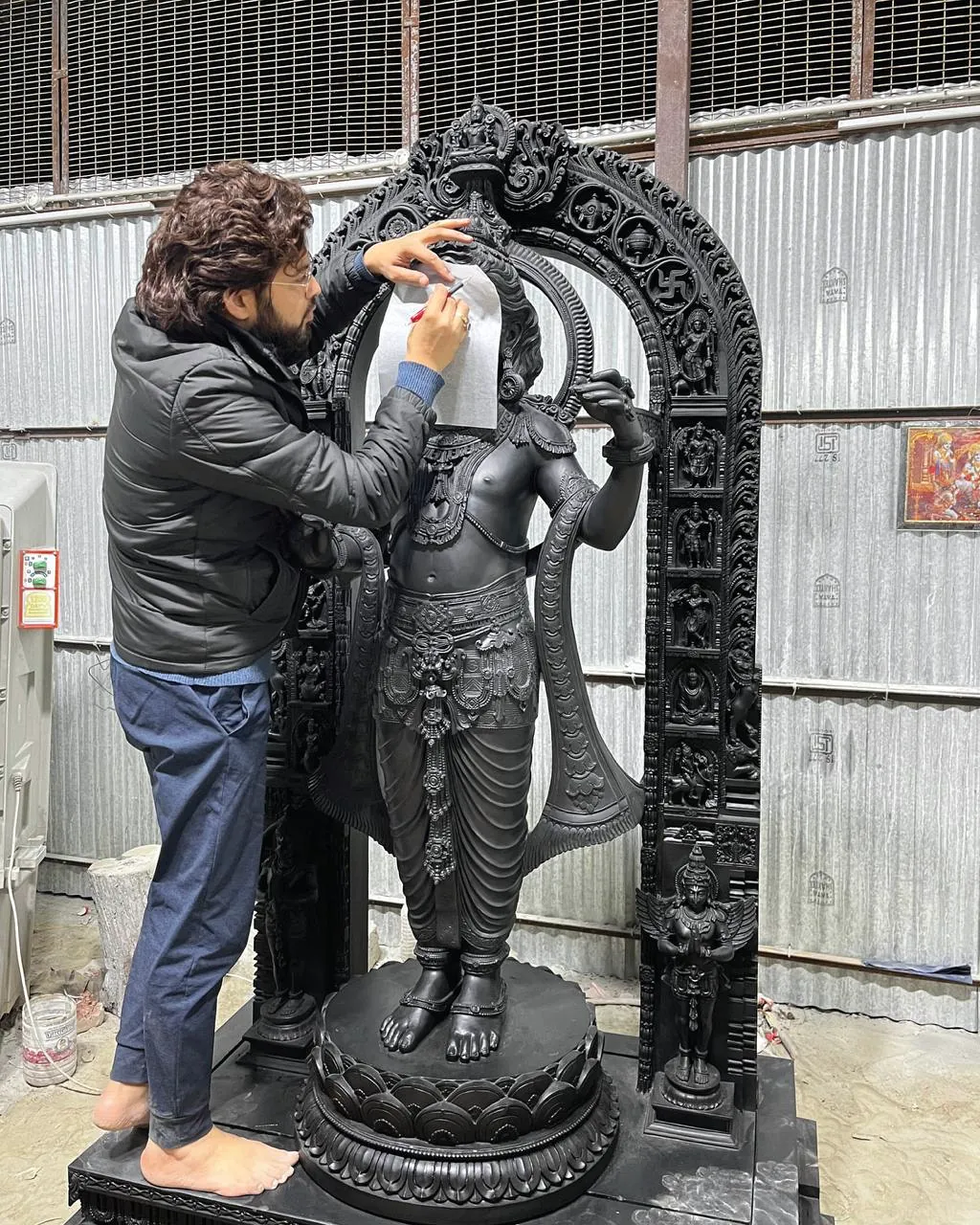
From the sketchbook to the sanctum, the stadium and the village workshop: a few moments behind the work.


Next · 02
The divine attire of Prabhu Shri Ramlalla Ji, Ayodhya. Heritage, brought into living traditions.
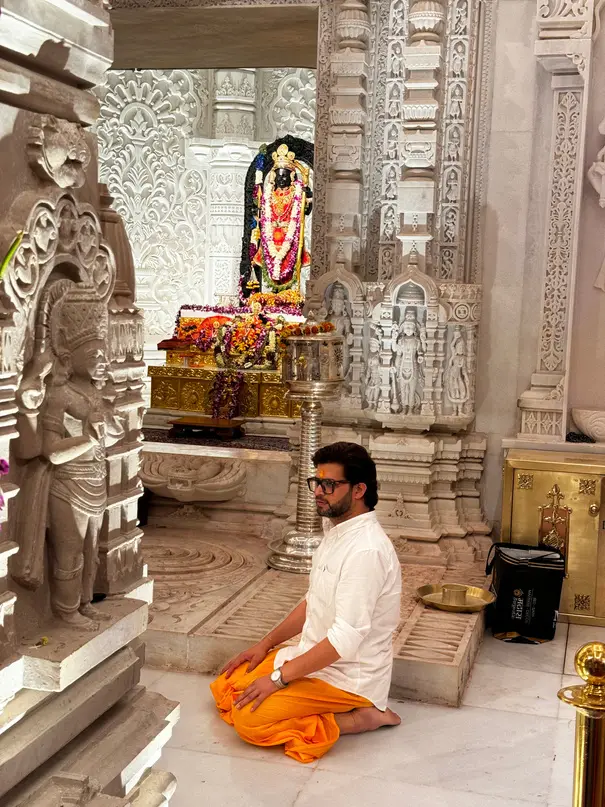
The first khadi-silk set for Prabhu Shri Ramlalla Ji was offered in February 2021. Since the Pran Pratishtha of January 2024, Manish has designed the poshak every day, each planned for the season and woven in a different region of India.
Read the full story of Shri Ram Lalla’s vastra → · हिन्दी में
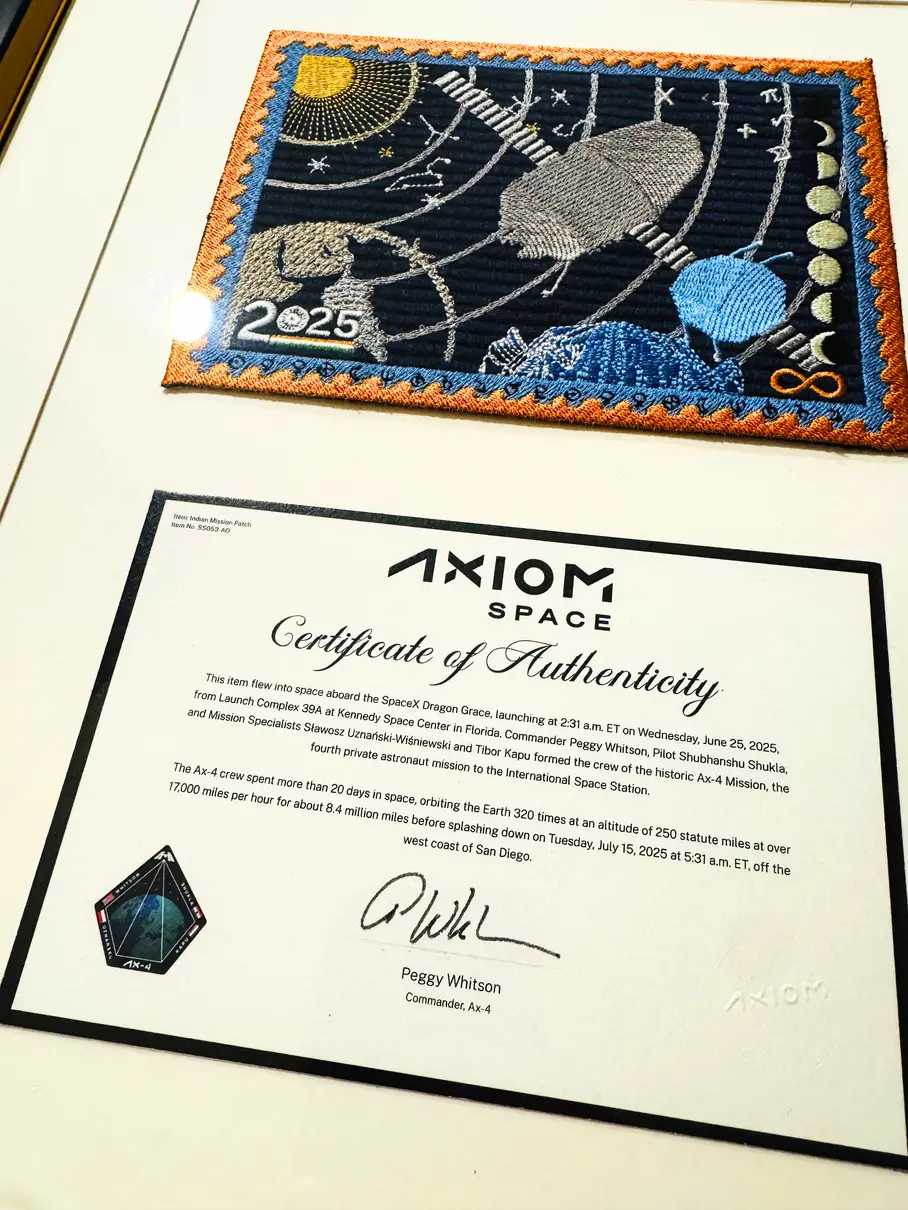
The work extends to Shri Kashi Vishwanath (2026) and the Shri Amarnath Shrine Board (2021), and to a temple-textile programme with the Sri Sri Institute of Fashion Studies.
Valmiki Ramayana · Aranya Kanda
रामो विग्रहवान् धर्मः
rāmo vigrahavān dharmaḥ
Rama is dharma, embodied.
“Heritage that continues to live, evolve and inspire.”A bhagwan ki poshak is a repository of centuries of knowledge: the wisdom of weavers, regional traditions, ritual practice and devotional craftsmanship.
Next · 03
Rooted in heritage, reimagined for today. Peace in every weave, power in every silhouette.
aantarDESI explores how India's cultural identity can inform contemporary luxury, personal expression and modern living.
Each collection explores timeless materials such as pure eri silk, pashmina, linen and handloom, their ancient crafts, and the master artisans keeping them alive. Bespoke clothing, made with patience and designed with purpose.
Book an appointment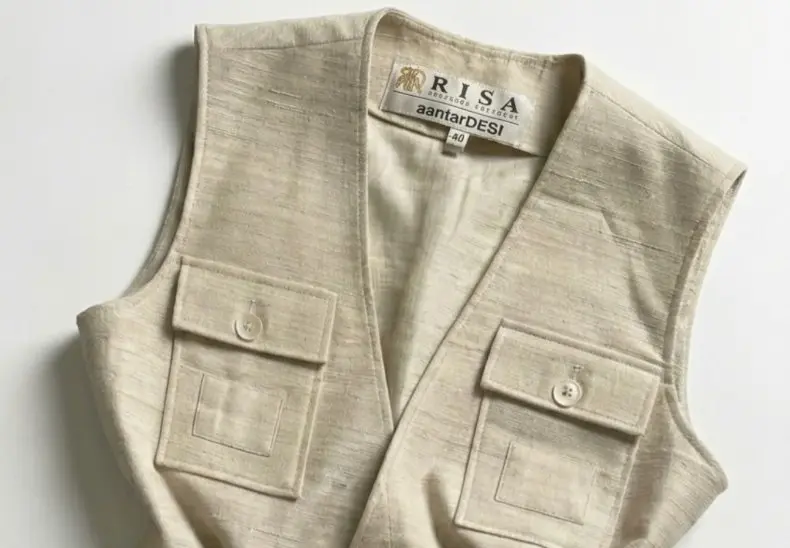
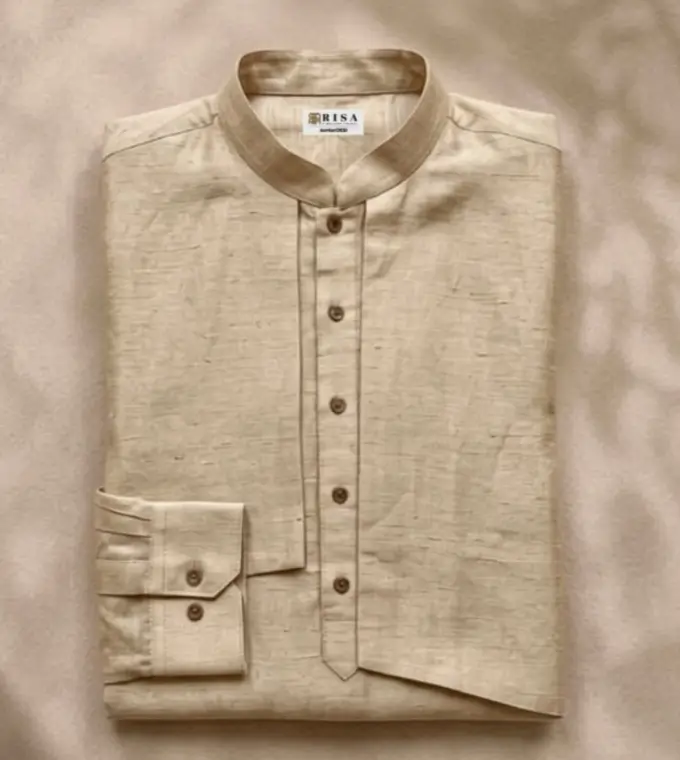
Rooted in culture, crafted for the spotlight: RISA × aantarDESI, a modern interpretation of heritage craft from India's tribal clusters.
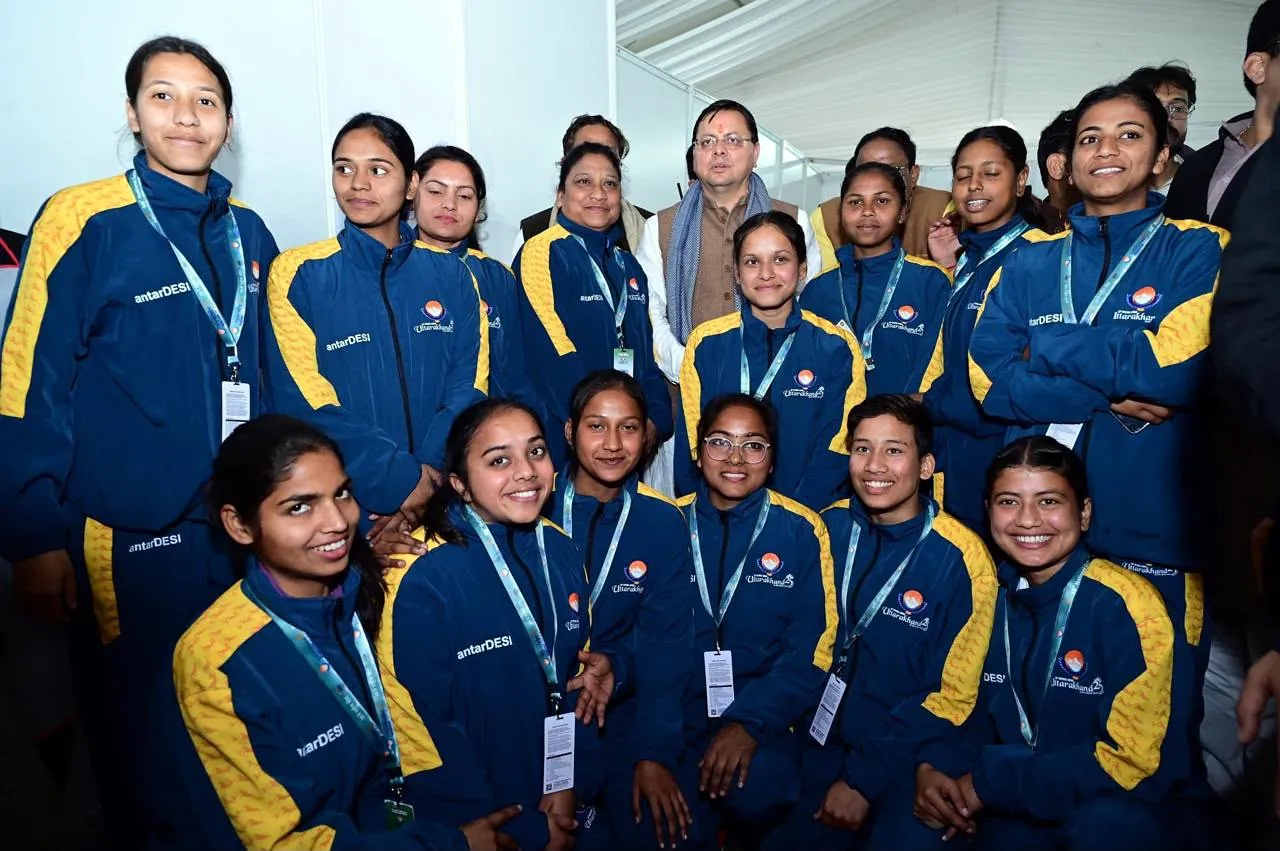
The house also includes aantarDESI Sports, ceremonial and team wear for India's contingents, and the ODRA Foundation, livelihoods for rural women.
Next · 04
Commissions, temple textiles, aantarDESI appointments, speaking, media and artisan partnerships.
Return