The Vastra of Shri Ram Lalla
Since the Pran Pratishtha in January 2024, designer Manish Tripathi has created the daily poshak of Shri Ram Lalla at the Shri Ram Janmabhoomi Mandir, Ayodhya, woven by handloom artisans across India.
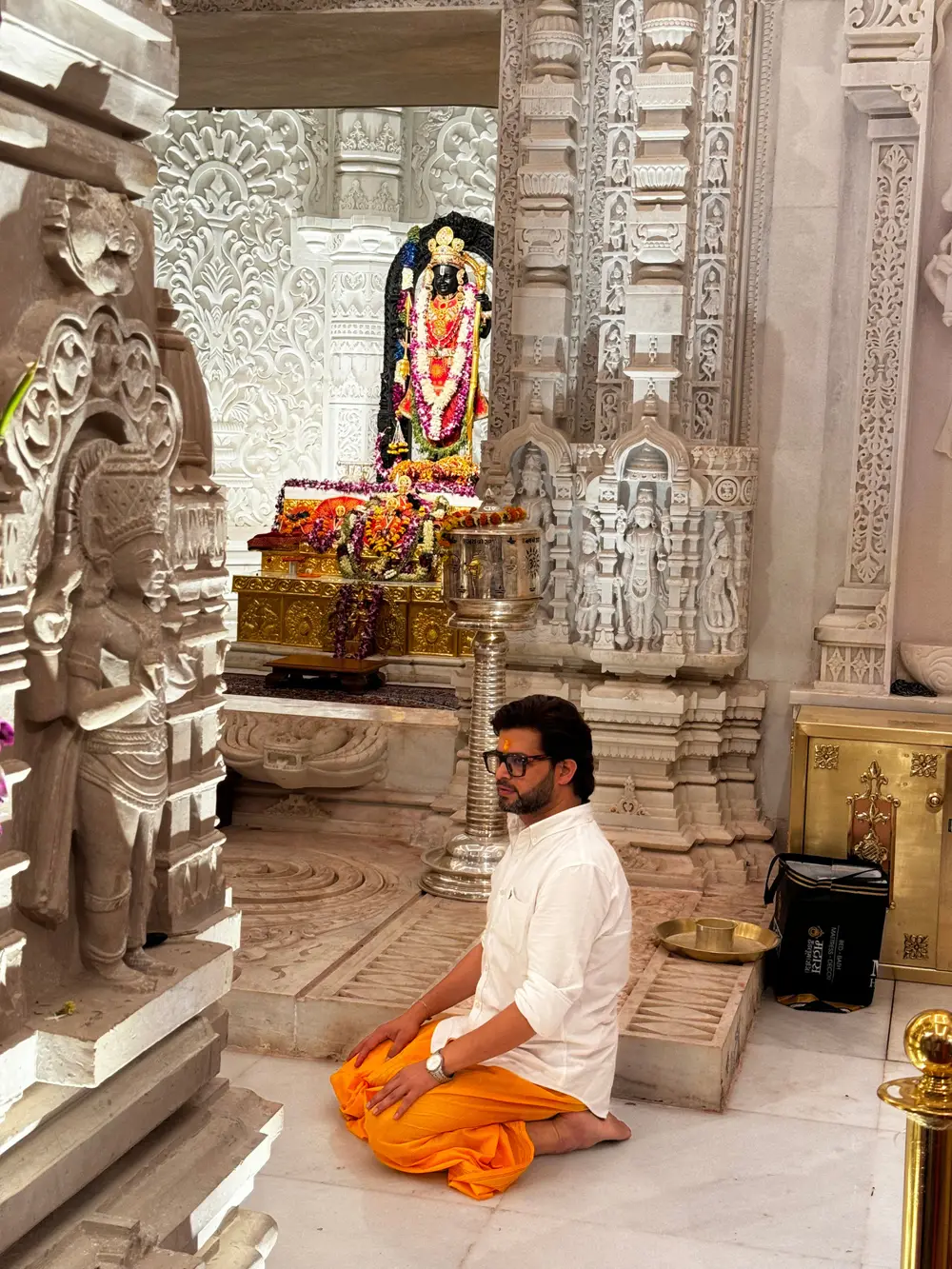
Who designs Ram Lalla’s dress?
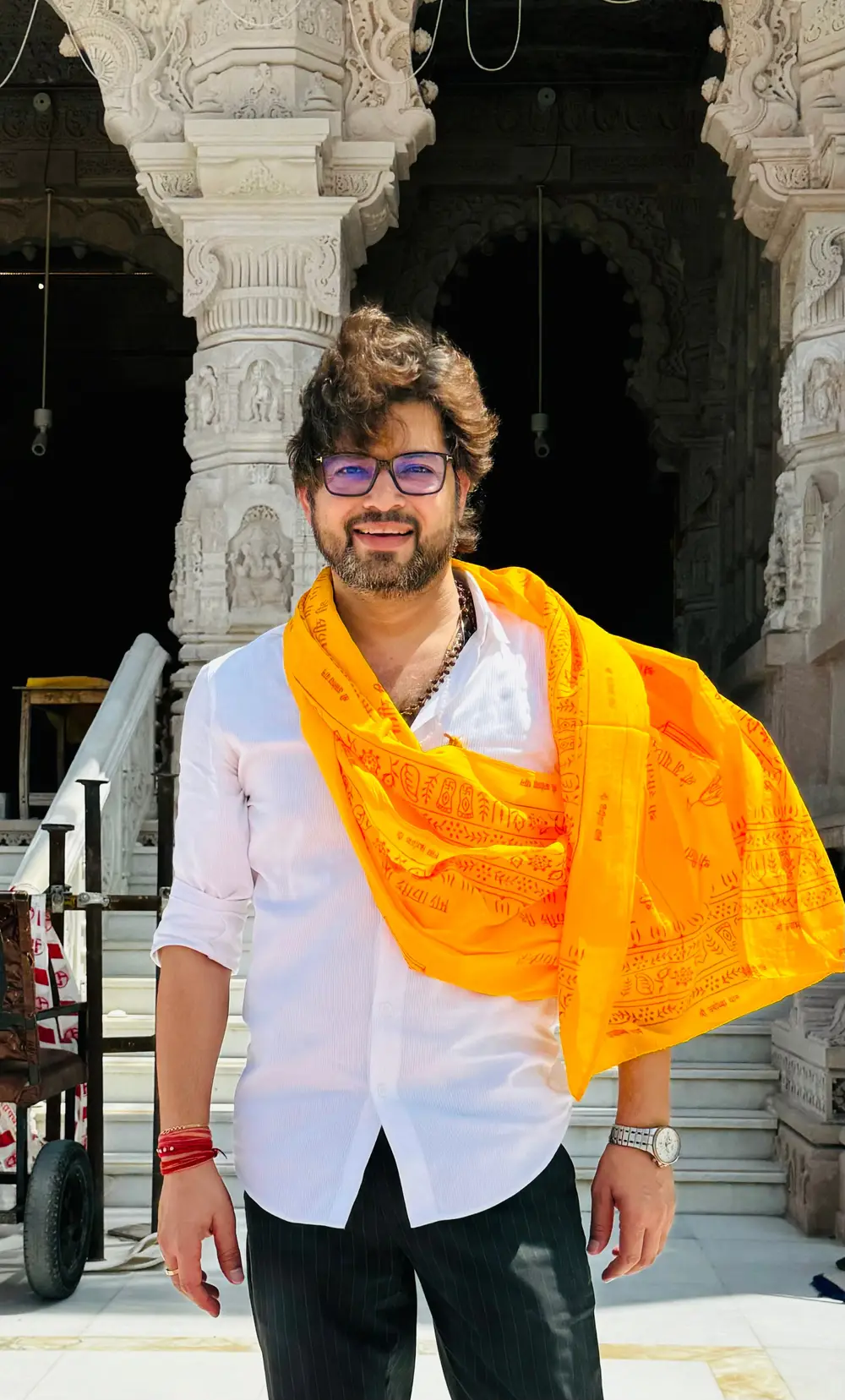
Manish Tripathi designs the vastra of Shri Ram Lalla in Ayodhya. He is a fashion designer from Uttar Pradesh, trained at NIFT New Delhi, and the founder of aantarDESI. He offered the first khadi-silk set in February 2021 and has designed the deity’s poshak every day since the Pran Pratishtha of 22 January 2024, through his initiative Shubhvastram.
From one khadi set to a vastra every day
- February 2021
Basant Panchami: the first khadi-silk set
The first set of garments for Shri Ram Lalla, in khadi silk, was made with artisans linked to the UP Khadi and Village Industries Board and presented to Uttar Pradesh Chief Minister Yogi Adityanath before being offered at Ayodhya.
- 22 January 2024
The Pran Pratishtha
For the consecration of the new Shri Ram Janmabhoomi Mandir, the deity was dressed in garments of indigenous silk with a golden hue, embellished with Vaishnav symbols.
- 17 April 2024
The first Ram Navami in the new temple
A yellow peetambar in khadi and handloom, worked with gold and silver threads. HT City reported that 15 artisans worked on it for around 20 days.
- Every day since
A poshak for each day and season
Since the Pran Pratishtha, Manish has designed the poshak every day, each planned for the season and woven in a different region of India. Garments are not reused once worn. His work also extends to the vastra of the Ram Darbar.
- 25 November 2025
The Dharma Dhwaja ceremony
Manish was present when Prime Minister Narendra Modi hoisted the Dharma Dhwaja on the temple’s shikhar, a moment he called a source of pride for the whole nation.
- Ram Navami 2026
A peetambar of Eri silk from Assam
For Ram Navami 2026, the deity wore a divine peetambar of Eri silk, made in Assam under Shubhvastram. JR Silks in Dharmavaram, Andhra Pradesh, set up a dedicated handloom for Shubhvastram textiles.
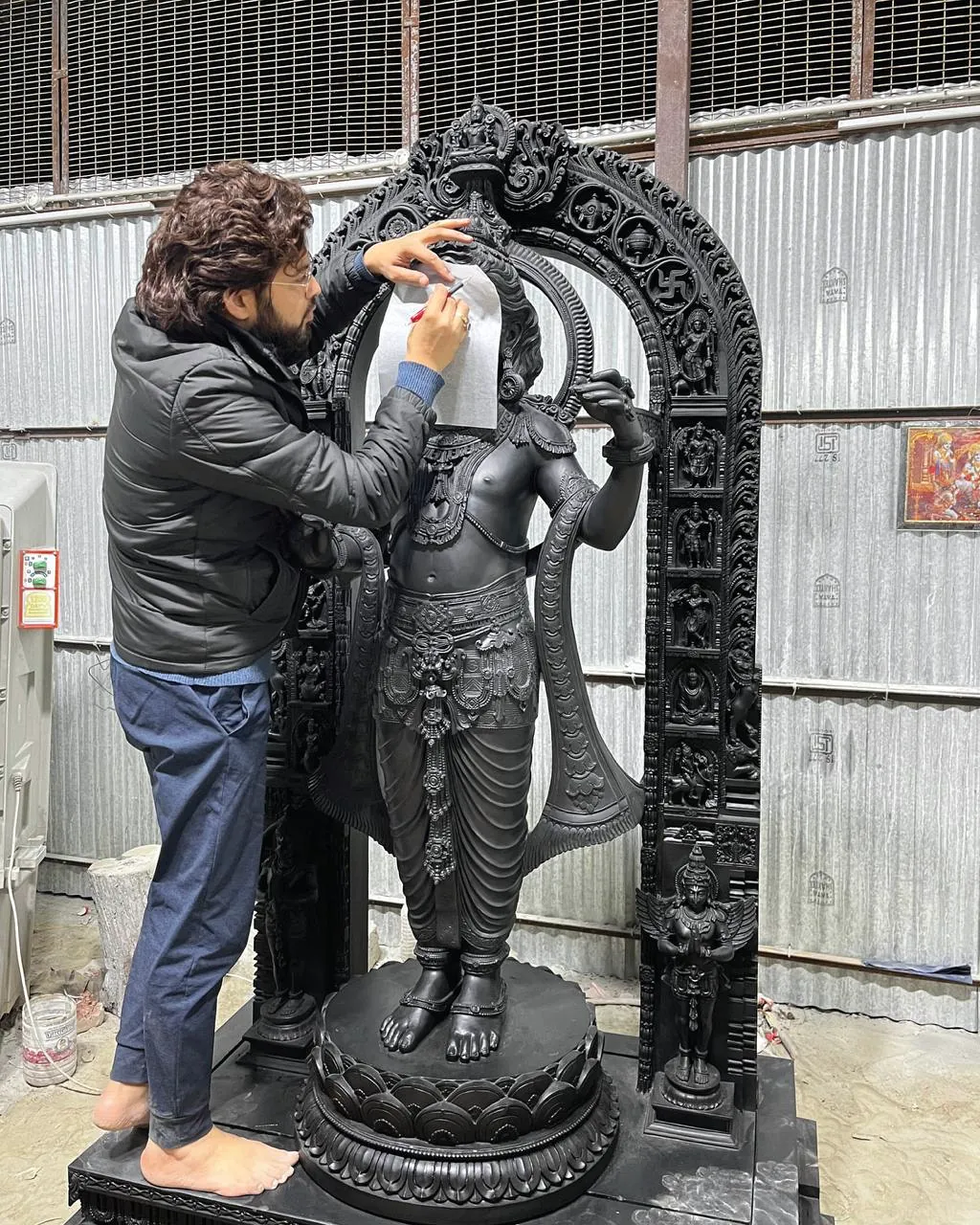
Made by hand
Reported across India
- Zee NewsWho is Manish Tripathi, the man who designed Ram Lalla’s exquisite outfits2024
- HT CityFit for a king: Peetambar mein Ram aayengeApr 2024
- RepublicKhadi, gold threads: pitambar used for Ram Lalla’s special outfit on Ram NavamiApr 2024
- Deccan Herald (PTI)Ram Lalla idol’s outfit designer says divine connection with God guided him2024
- Free Press JournalDesigner Manish Tripathi crafts daily seasonal attire for Ram Lalla in Ayodhya2024
- IANSProud moment for nation, highly emotional for Ram bhakts: designer of Lord Ram’s divine attireNov 2025
- Lokmat TimesClothes made of khadi for Ramlalla presented to UP CMFeb 2021
- Hindustan Times LucknowRamlalla gets first set of khadi silk garmentsFeb 2021
Frequently asked
Who designed Ram Lalla’s dress in Ayodhya?
Shri Ram Lalla’s vastra (poshak) at the Shri Ram Janmabhoomi Mandir in Ayodhya is designed by Manish Tripathi, a fashion designer from Uttar Pradesh, trained at NIFT New Delhi and founder of the menswear house aantarDESI.
Since when has Manish Tripathi designed Ram Lalla’s vastra?
He offered the first khadi-silk set in February 2021, on Basant Panchami. Since the Pran Pratishtha on 22 January 2024, he has designed the deity’s poshak every day.
What fabrics are used for Ram Lalla’s clothes?
Indian handloom textiles: khadi silk, indigenous silks with gold and silver zari, and regional weaves such as Eri silk from Assam. Each poshak is planned for the season and woven in a different region of India.
What is Shubhvastram?
Shubhvastram is Manish Tripathi’s initiative for the sacred vastra of Prabhu Shri Ram. It works with handloom weavers and artisan clusters across India, and also mentors fashion students in temple textiles.
Who makes the garments?
Handloom weavers and artisans across India. For the first Ram Navami in the new temple, HT City reported that 15 artisans worked for around 20 days on the peetambar, and JR Silks in Dharmavaram set up a dedicated handloom for Shubhvastram.
Are Ram Lalla’s clothes worn again?
No. According to IANS, garments are not reused once worn, and the temple trust has considered offering old garments to devotees as prasad.